
What Exactly Happens When You Replace a Flat Roof? The Full Process Explained
The process starts before demolition, with evidence and expectations
Ask for documentation of what was found before work begins. A good flat roof replacement is not just installation work - it's a documented sequence of discovery, preparation, repair, and rebuild. That distinction matters, because owners who only see the installation part often feel blindsided by everything that had to happen first.
Before replacing a flat roof, what do we already know - and what might only appear once the roof opens? Inspection photos, known leak locations, visible patch history, and flagged risk zones should all be on the table before day one. That pre-job conversation is where I, Renata Solis, with 21 years making the flat roof replacing process understandable for Queens owners from tear-off through final detail, earn trust before a single layer comes off. Think of the whole project like a photo spread: frame one is what we know going in, and every frame after that either confirms it or adds a new fact to the story.
Before You Call
8 Things to Have Clarified Before Flat Roof Replacement Starts
-
1
Your current leak history - which spots, how often, and whether it's seasonal or constant -
2
Existing patch areas - where prior repairs were made and whether they're documented anywhere -
3
Likely high-risk zones - penetrations, drains, edges, or areas with known soft spots -
4
Who documents hidden findings - and how you'll receive that documentation during tear-off -
5
How surprises get approved - the exact process for scope changes before work continues -
6
Temporary weather protection plan - what happens if the roof is open and rain hits -
7
Cleanup expectations - debris disposal, access paths, and daily site conditions -
8
What the finished scope includes - flashing, terminations, drains, and any exclusions spelled out clearly
What Transparency Looks Like
4 Signals a Flat Roof Replacement Process Is Handled Right
📋 Pre-Job Documentation
Inspection photos, risk flags, and known conditions reviewed with you before tear-off begins - not after.
🔍 Expected vs. Surprise Conditions
Clear language about what's predictable and what might only be visible once the old system comes off.
📞 Staged Communication During Tear-Off
Updates at each stage - not silence until the bill changes - so you're never guessing what the crew found.
✅ Final Closeout Documentation
A clear record of what was replaced, what was corrected, and why - visible proof the job was done right.
Tear-off is the moment the roof stops being theoretical and starts becoming real
This is when the roof you hoped for meets the roof you actually have
Frame one is inspection, not demolition. One cold April morning in Sunnyside, I started a full replacing flat roof project on a rear extension where the homeowner had clearly been losing sleep over the unknowns more than the leak itself. Before we touched anything, I showed her the photo set from inspection, marked the areas we expected to open, and explained what would count as expected versus surprise conditions. Halfway through tear-off, we found wet insulation and soft decking in one corner - exactly where the pre-job photos had flagged risk. She later told me the calmest part of the whole job was knowing what each stage meant before it happened.
Here's the blunt truth: tear-off reveals the roof you actually have, not the one you hoped for. Old membrane comes off, insulation lifts, and the deck is suddenly right there in plain view - along with everything that's been happening beneath the surface for years. Crews look for moisture saturation in insulation boards, soft or punky decking, prior patch layers that were never removed, and damage around penetrations that never showed on the surface. In Queens especially, rear extensions and older low-slope residential sections off corridors like Jamaica Avenue carry decades of repair history. Those informal patch jobs stack up under the finished surface, and tear-off is the only honest way to see them.
Replacement Day
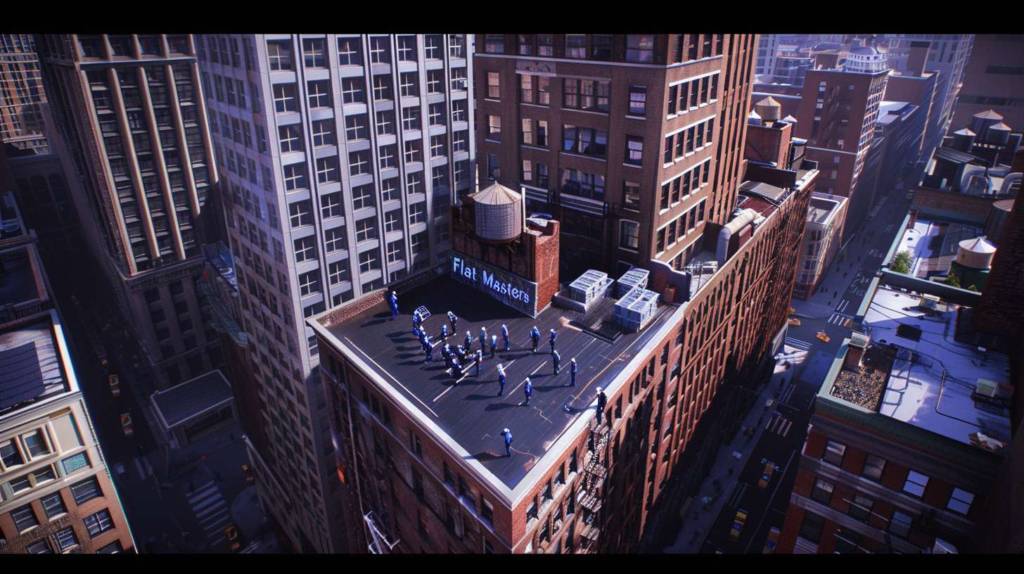
What Usually Happens Once the Crew Starts Opening the Roof
Protect access and the work area - the crew secures the perimeter, covers ground-level surfaces, and confirms safe access before anything is removed.
Remove existing roofing - the old membrane, insulation, and any loose or failing layers come off down to the deck or the agreed-upon starting point.
Inspect exposed layers - the deck, substrate, and any remaining components are examined for moisture, damage, and structural integrity before the next phase begins.
Document hidden conditions - photos, notes, and measurements of anything found beyond expected scope are recorded and shared with the owner before work continues.
Perform needed substrate or deck corrections - soft sections, damaged boards, and any structural issues get addressed before the new system goes down.
Prepare for dry-in or the next installation phase - temporary protection goes on if needed, and the site is staged for insulation, membrane work, and detailing in sequence.
Tear-Off Findings
What Flat Roof Tear-Off Can Reveal - and What Each Finding Changes
| What Gets Uncovered | Why It Matters | What Changes Next |
|---|---|---|
| Wet insulation | Saturated insulation holds moisture against the deck, accelerating rot and reducing R-value | Cost + Schedule |
| Soft or punky decking | A compromised deck can't anchor fasteners properly and will fail under the new system if not replaced | Cost + Schedule |
| Old patch layers left in place | Stacked repairs create uneven surfaces and trapped moisture pockets that compromise adhesion | Schedule |
| Uneven prior repairs | High and low spots cause standing water under the new membrane, shortening its life significantly | Cost + Schedule |
| Damaged edge details or coping | Failed perimeter details are a primary leak entry point that can undermine an otherwise sound new membrane | Cost |
| Hidden moisture near penetrations | HVAC curbs, vents, and pipe boots are common failure points where water travels well away from the visible leak | Cost + Schedule |
Dry-in, repairs, and sequencing are what keep replacement from becoming weather roulette
I still remember an owner asking, "What exactly happens today?" and honestly, that's the right question. It was a sticky August day in Astoria, crew had just unloaded, and this owner had never been through a real roofing project before. I walked him through removal, substrate inspection, needed repairs, dry-in protection, the installation sequence, and cleanup while standing next to a stack of insulation boards in his driveway. He told me no other contractor had explained the process of replacing flat roofs in actual order. That still surprises me, but it really shouldn't.
A roof replacement should read like a photo essay - each stage needs a clear before, during, and after. Substrate prep is the frame that makes everything else possible: once the deck is confirmed sound and level, insulation goes down in the right order, the membrane follows with proper overlaps and heat-welded or adhered seams, and flashing gets installed at every transition and termination point. Dry-in protection - a temporary covering applied if the work has to pause - is what keeps an open roof from becoming a flooded interior. Skipping it or rushing past it to save a few hours is the kind of shortcut that ends badly.
My opinion? Most roof replacement anxiety comes from poor explanation, not the work itself. The sequence isn't that complicated once someone actually walks you through it - but most contractors don't bother. Here's an insider tip worth having before any work starts: ask your contractor what the "surprise condition" decision path is before the roof is opened. Who calls you? How fast? What happens to the schedule while you decide? Get that answer in advance, not after the deck is exposed and rain is two hours away. That one question separates a contractor with a real process from one who's improvising.
Process Comparison
Documented Replacement Sequence vs. Chaotic Replacement Sequence
The finished roof should prove the story, not hide it
Final details matter because they are the last visible frame
Frame one is inspection, not demolition - and the last frame should be just as clear. A Ridgewood job stays with me because a previous contractor had created chaos simply by failing to document what they found after opening the roof. When Flat Masters started that project at 7 a.m. under gray skies, I made a point of photographing every exposed layer as we went. When we found old patch history and uneven deck repairs under the surface, there was no argument later because the story was right there in the photos. That's the whole point: the process of replacing a flat roof should never feel like a magician's sleeve. By the time the final details are installed - flashings seated, termination bars set, drains cleared and confirmed - the finished roof should visibly prove every decision that was made to get there.
At Job's End
Open the Final Frame
Common Questions
Questions Queens Owners Ask About the Flat Roof Replacing Process
▸ What happens first when replacing a flat roof?
▸ When are hidden problems usually discovered?
▸ What is temporary dry-in and why does it matter?
▸ How should a contractor document surprise conditions?
▸ What should I expect to see at the end of the project?
Would you rather have a roof replacement that feels like a mystery - or one that makes sense frame by frame?
Call Flat Masters and get a documented replacement process from the first inspection photo to the final closeout - serving Queens, NY. - Renata Solis, Flat Masters