
That Flat Roof Over the Extension Could Become a Deck - Here's How to Get There

That Flat Roof Over the Extension Could Become a Deck – Here’s How to Get There

That Flat Roof Over the Extension Could Become a Deck - Here's How to Get There

Roof thinking has to come before deck thinking if this is going to work at all

Asking before signing anything is exactly right. A flat roof can absolutely become a deck - but the project only holds together when the roof is treated as a waterproof structure first and a leisure surface second. Flip that order, and you're not building a deck over a flat roof; you're building trouble on a schedule.

Before you ask how to put a deck on a flat roof, can this roof handle people, furniture, and traffic without losing its drainage logic? That question has to land before any deck design conversation starts. The roof still has to drain. It still has to be inspected. It still has to stay protected under whatever deck system goes on top of it. I'm Naomi Feldman, and with 18 years helping Queens homeowners decide whether deck-over-flat-roof ideas are structurally realistic, waterproofing-safe, and worth building properly, I've watched roof thinking save projects - and watched deck thinking, left unchecked, quietly wreck them.
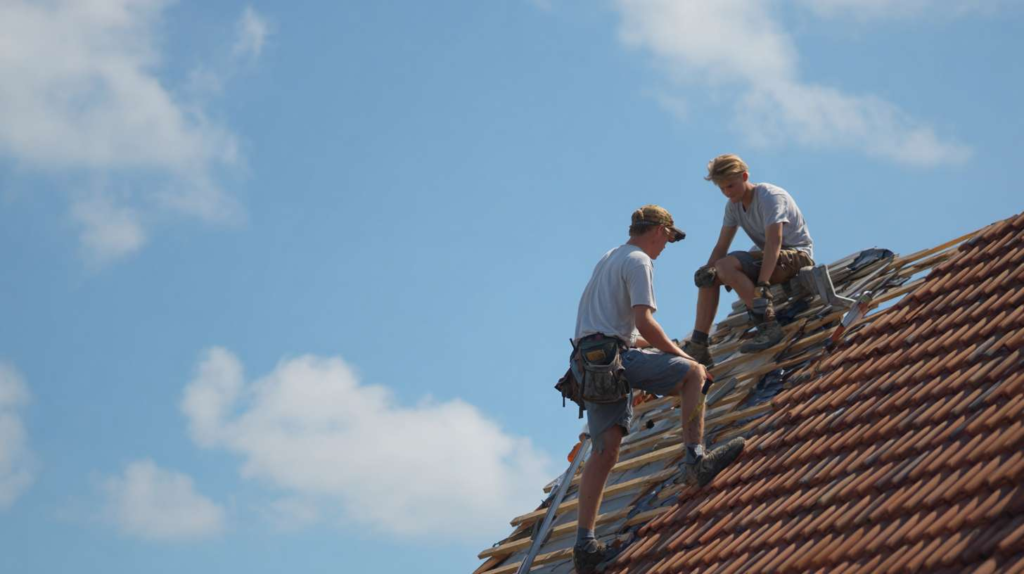
A professional contractor installing new decking materials on a flat roof with tools and materials visible around the work area.

Can This Flat Roof Realistically Become a Deck?

1
Is the existing roof in sound enough condition to be trusted?
No → Roof-first correction required before deck conversation begins
Yes → Continue to Step 2

2
Can the roof handle traffic, furniture loads, and ongoing foot pressure?
No → Structural review branch - load assessment needed
Yes → Continue to Step 3

3
Can drainage and maintenance access remain clear after the deck is installed?
No → Redesign required - layout is fighting the roof
Yes → Continue to Step 4

4
Have support pad placement, membrane protection, and parapet clearances all been addressed?
No → Back to planning - deck layout is incomplete
Yes → Continue to Step 5

5
Roof thinking won. Deck thinking can now follow.
If roof thinking loses at any step, deck thinking is a mistake - not just a risk, a mistake.

4 Things a Roof Deck Project Has to Satisfy
① Structural Support
The roof deck system, framing, and extension below must be assessed for live and dead load before any deck plan is finalized.

② Membrane Protection
Support pads, walkway pads, and all deck hardware must protect - not penetrate or compress - the waterproofing membrane beneath.

③ Drainage Clearance
Deck framing and boards must never block scuppers, drains, or the roof's natural slope. Water still has to have somewhere to go.

④ Inspection Access After Completion
The roof membrane has to be reachable for future inspection and repair. A deck that makes the roof invisible is a deck that hides problems.

The best rooftop deck conversations get less glamorous the minute the membrane enters the room

That is usually a healthy sign

I still remember that couple realizing the roof had to survive becoming a floor. It was a warm May evening in Sunnyside - they were excited about putting a deck on flat roof space over their kitchen extension, somewhere to sit out after work, which is a genuinely good idea for that neighborhood. Then I got up there and found the roof had mediocre drainage and no plan for how deck supports would interact with the membrane. One of them said, "We thought the deck part was the fun part." It can be. But the roof has to survive becoming a floor first - and that means drainage, membrane condition, and structural readiness get addressed before the furniture catalog comes out.

On a roof deck project, the biggest mistake is forgetting the word roof. Queens rear extensions - the kind you see constantly behind two-family homes along the residential blocks off Jamaica Avenue or tucked behind attached rowhouses in Woodhaven - tend to produce compact flat roof areas that homeowners are itching to use as instant terraces. And honestly, the instinct is good. But these are active waterproofing systems with parapets, scuppers, and very little margin for a support pad placed in the wrong spot. Deck thinking says: where does the furniture go? Roof thinking says: where does the water go, and is this membrane going to survive the next decade under foot traffic? Both have to be answered. The roof question goes first.

Deck-Related Issue Why It Happens What It Causes Later
Blocked drainage path Deck boards or framing laid without accounting for roof slope and scupper location Standing water pools under the deck, accelerating membrane breakdown where you can't see it
Point-load pressure Support posts or feet concentrating weight in a single small area instead of spreading it Membrane compression, cracking, or puncture directly under load points - often undetected for months
Trapped debris Deck design leaves no gap or access for leaves, dirt, and organic material to clear out Debris holds moisture against the membrane, shortening its lifespan and feeding mold at the roof surface
Lost inspection access Deck is built as a permanent fixture with no removable sections or clear inspection route Small roof issues go unnoticed until they become full membrane failures - at which point the deck comes off anyway
Poor support interaction with membrane Pads or feet chosen for cost rather than compatibility with the specific membrane type below Chemical incompatibility or abrasion causes membrane degradation in exactly the spots carrying the most weight
Furniture and traffic concentrating wear No walkway pads or traffic zones planned - people and chairs gravitate to the same spots repeatedly Uneven wear patterns develop on the membrane surface, creating early failure zones in high-use areas

⚠ The Quiet Ways a Deck Can Damage a Good Flat Roof

Support pads, furniture placement zones, and walking paths tend to get treated like afterthoughts once the deck layout looks good on paper. They aren't afterthoughts. A support pad in the wrong position can redirect water toward a parapet. A furniture zone that happens to sit directly over a scupper doesn't sound like a problem until you have a pooling issue you can't explain.

If the deck plan doesn't show where supports land relative to the membrane seams and drainage routes, the plan isn't finished - it's just decorated. Don't let an early roof problem hide under a deck that nobody thought to make inspectable.

The most attractive deck layouts are usually the ones that bored somebody with structural and drainage questions first

A deck over flat roof work is like building an exhibit platform over a sensitive floor - you can absolutely do it, but only if the support system respects what's underneath. I spent years before roofing designing museum exhibit platforms and visitor walkways where the raised surface had to carry people safely without stressing whatever was below. The principle is identical here. Support layout, furniture zones, and movement paths have to be planned around the roof's geometry and drainage logic rather than imposed on it. When that happens, the deck lasts. When it doesn't, the deck looks fine for two summers and then starts hiding a problem.

Here's the blunt truth: a deck can protect a roof, or ruin one, depending on how it's supported and used. I had a Ridgewood homeowner ask how to put a deck on a flat roof after seeing a beautiful setup online - planters, string lights, a proper dining table. It was a windy September afternoon when we met, and I had to walk him through load distribution, support pad selection, drainage clearance, and why the nicest-looking deck over flat roof projects are usually the ones with the most boring structural conversations upfront. His expectations shifted in a healthy way - not disappointed, just recalibrated. By the time we finished planning, he understood why those string-light photos don't show you the support pad layout or the water path, and he was glad someone made him think about it before the build started.

My opinion? The prettiest rooftop decks usually start with the least glamorous planning. Ask the contractor to show you the maintenance path and the water path after the deck is installed. If those two things can't be clearly explained - if the design can't point to where water travels and where a roofer would walk to inspect the membrane - the design is lying to you. It looks great in a rendering and covers up a problem in real life. That's the insider test worth doing before you approve any plan: if the roof disappears under the deck, the design isn't done.

Roof-First Planning vs. Deck-First Planning
Planning Point Roof-First Planning Deck-First Planning
Support Method Pads and supports chosen for membrane compatibility and load distribution across the roof surface Supports chosen for the deck frame, membrane compatibility considered late or not at all
Drainage Visibility Scuppers, drains, and slope paths are mapped before deck layout begins - deck works around them Deck layout is set by aesthetics; drainage routes are adjusted to fit, or simply blocked
Maintenance Access Removable sections or clear walkable inspection routes are built into the design from the start Access is an afterthought - the membrane becomes unreachable and problems go undetected
Furniture Freedom Furniture zones placed where the roof can handle concentrated load - enjoyable and structurally honest Furniture placed wherever it looks good, often over vulnerable membrane areas or near scuppers
Membrane Risk Low - membrane is actively protected by the deck system and remains inspectable High - membrane is treated as a base layer rather than an active waterproofing system with needs
Long-Term Comfort with the Decision High confidence - you know the roof is working under the deck, not being quietly compromised Low - nagging uncertainty, or a repair bill that arrives after the deck furniture does

✔ Questions to Ask Before Trusting Any Deck-Over-Flat-Roof Plan
  • How is weight spread? Ask specifically how the support system distributes load across the roof deck, not just what materials are used.
  • Where does water go? The contractor should be able to trace the water path from any point on the roof surface to the drain or scupper, after the deck is installed.
  • How will the roof be inspected later? If the answer is "you won't need to," walk away. Every roof membrane needs to be reachable.
  • Where will furniture and people concentrate load? Seating areas, planters, and high-traffic paths need to align with where the structure can genuinely handle it.
  • How are supports protecting the membrane? Pad material, size, and placement matter - not all support systems are membrane-safe.
  • What happens at parapets and edges? Parapet flashings and edge details are vulnerable - the deck plan needs to show how they stay protected and accessible.
  • How is cleanup or maintenance performed after the deck is finished? Debris, organic growth, and minor repairs need a clear path. If the deck makes routine maintenance impossible, the design needs to change.

A usable roof deck should feel easy to enjoy precisely because the hard roof decisions were made early

Comfort above depends on discipline below

On a roof deck project, the biggest mistake is forgetting the word roof - and the homeowners who remember it from the very first conversation are the ones who end up with decks they actually trust. A Forest Hills extension owner came to Flat Masters asking how to make a deck on a flat roof without "messing up the waterproofing underneath." Best question of the week, honestly. The roof was in decent shape, but once we mapped furniture zones, foot traffic patterns, and runoff paths together, it became obvious the layout needed as much discipline as the roofing work itself. We built the plan around drainage access and inspection routes first - not around where the chairs would look good - and the result was better for it. The deck is enjoyable, the roof is still doing its job, and nobody's second-guessing either.

Open the Roof-Under-the-Deck Checklist
▸ Where does the water still travel?

Roof thinking demands a clear answer here: every drainage route - slope, scupper, or interior drain - has to remain unobstructed after the deck framing goes down. Deck thinking will try to ignore this question because it doesn't show up in the rendering.

Map the water path before the first deck board is placed, and make sure it's still traceable after the last one goes in.

▸ How do we still inspect the roof?

Roof thinking says the membrane is still working down there and still needs eyes on it - deck thinking says the deck looks great and inspection can wait. Those two positions can't coexist without a plan for removable sections or a dedicated access route.

A deck that makes the membrane invisible isn't finished; it's a problem deferred.

▸ What part of the deck layout is serving the roof instead of fighting it?

Deck thinking sees the layout as a furniture and lifestyle question; roof thinking sees it as a load, drainage, and membrane protection question - and the best layouts answer both at once.

If you can't point to specific design decisions that actively protect the roof rather than just avoiding the worst outcomes, the layout needs another pass.

Common Questions About Putting a Deck on a Flat Roof
▸ Can you put a deck on a flat roof safely?
Yes - but safely means the roof is structurally sound, the membrane is protected by proper support pads, drainage is fully preserved, and the membrane can still be inspected after the deck is in place. A deck that checks all four is a safe deck. A deck that skips any one of them is a risk waiting to show itself.
▸ How do you put a deck on a flat roof without damaging the membrane?
You use floating deck systems with membrane-compatible support pads that spread load rather than concentrate it, avoid any penetrations through the membrane, keep all framing elevated enough for water to flow freely, and make sure the pad material is tested for compatibility with your specific membrane type - TPO, EPDM, and modified bitumen each have different needs.
▸ Why does drainage matter so much under a roof deck?
Because standing water trapped under a deck is invisible and constant. It accelerates membrane degradation, promotes mold growth at the roof surface, and - especially in Queens winters - creates freeze-thaw pressure against the membrane. A flat roof's drainage isn't a secondary feature; it's the whole system working, and the deck can't be allowed to interrupt it.
▸ Can one roof area be both a deck and a low-maintenance roof?
Yes, but "low maintenance" refers to what you see from the deck - not to what's happening underneath. The roof itself still requires periodic inspection, debris clearing, and occasional maintenance. A well-designed deck makes that access easy rather than eliminating the need for it. Build the deck around the roof's maintenance requirements and you get both: a usable space and a roof that holds up long-term.
▸ What should a contractor explain before building a deck over a flat roof?
They should be able to explain: how load is distributed across the roof surface, what the water path is after installation, where and how the membrane can be inspected after the deck is built, how supports interact with the specific membrane below, and what the maintenance plan looks like. If a contractor can't answer those questions clearly before work starts, the roof is being treated as a forgotten detail - and it won't stay forgotten for long.

So here's the real question worth sitting with: do you want a rooftop deck that's genuinely enjoyable for years, or one that starts hiding roof trouble the moment it's finished? If you're leaning toward the first option, call Flat Masters and ask for a roof-first deck assessment - because the best deck projects in Queens start with a roofer, not a furniture layout.

- Naomi Feldman, Flat Masters, Queens, NY

Faq’s

Flat Roofing FAQs: Everything Queens, NY Homeowners Need to Know

Can I install a deck on my flat roof myself to save money?
While it’s tempting to DIY, roof deck installation requires structural engineering, waterproofing expertise, and building permits. Mistakes can damage your roof membrane, causing thousands in water damage. Professional installation includes warranties and proper code compliance – the upfront cost protects your investment long-term.
Most residential flat roofs are designed for 20-30 PSF, but decks need at least 40 PSF capacity. A professional evaluation checks your roof’s structural capacity, membrane condition, and drainage patterns. Without proper assessment, you risk costly damage from overloading your roof structure.
In Queens, a quality roof deck can add $15,000-$25,000 to your property value while creating usable outdoor space. The key is professional installation with proper structural support and waterproofing. When done right, it’s one of the best ROI home improvements, especially in dense urban areas like Queens.
The permit process takes 4-6 weeks, then actual construction is 3-5 days for a typical 200 sq ft deck. Weather and complexity affect timing. While it seems lengthy, rushing the process leads to code violations and structural problems. Proper planning ensures your deck is built safely and legally.
Delaying doesn’t save money – material costs typically increase annually. More importantly, waiting means missing out on valuable outdoor space and property value increases. However, don’t rush into it without proper evaluation. Your roof’s condition might worsen, making installation more complex and expensive later.

Ask Question

Or

Flat Glass Roof Lights Bring in More Light Than a Window - Here's What to Know

13 min read

How to Fiberglass a Flat Roof - and Why You Should Call Our NYC Team

8 min read

Who You Hire for Your Flat Roof Installation Matters More Than Most People Realize

13 min read

The Flat Roof on Your Extension Has Had Enough - Here's What Replacement Involves

14 min read

Asphalt Flat Roof Services in NYC - Durable, Affordable, Guaranteed

7 min read

Stripping Off an Old Tar Flat Roof Is Hard Work - Here's What It Actually Involves

15 min read

Designing a Flat Roof Drainage System That Works Under Heavy Rainfall

15 min read

Residential Flat Roof Materials - Installed by NYC Specialists

6 min read

Fix Your Flat Roof Leaking Around Vent Pipe Fast & Affordably

5 min read

How Much Does Flat Roof Repair Cost Per Square Foot? Here Are the Real Figures

14 min read

Professional Gutters for Flat Roof Homes Installation & Repair

5 min read

Professional Budget Flat Roof Carport Installation Services

7 min read

SIPS Flat Roof Panels - Installed and Repaired by NYC Experts

6 min read

Expert Colonial Type Flat Roof House Architecture Roofing Solutions

7 min read

Rain Hammering Your Flat Roof All Night? There Are Ways to Quiet It Down

13 min read

Covering a Flat Roof Properly Is More Than Just Laying Down a New Surface

12 min read

Felt Installation on a Flat Roof - Here's What Correct Looks Like vs What Doesn't

15 min read

What Does Continuous Ply Flat Roofing Actually Cost? The Numbers Explained

13 min read

Your Flat Roof Doesn't Have to Just Sit There - Here's What You Can Do With It

17 min read

The Cap Sheet Is the Final Layer - and It's the One That Takes All the Weather

17 min read

What Do Flat Roof Materials Actually Cost? Here Are the Real Material Prices

13 min read

What Is a Flat Roof Made Of? Your Questions Answered by NYC Pros

6 min read

How to Shingle a Flat Sloped Roof: Your Complete Guide

7 min read

Professional Flat Roof Crack Repair Services Near You

6 min read

Replacing a Flat Roof? Here's Which Material to Actually Choose for Your Build

13 min read
blue circle

Get a FREE Roofing Quote Today!

Schedule Free Inspection