
Adding a Skylight to a Flat Roof Is One of the Best Home Improvements You Can Make
This part of town sees this regularly - a homeowner falls in love with the idea of natural light flooding a dark room, picks a spot on the ceiling, and assumes the skylight goes right there. The counterintuitive truth is that adding a skylight to a flat roof is usually less about the skylight unit itself and more about respecting how water already moves across that roof before a single cut is made. Get the placement wrong, and the glass doesn't matter.
Why Placement Matters More Than the Skylight Itself
The real challenge isn't the glass - it's understanding that rain behaves like a sneaky student hunting for the easiest shortcut around whatever you put in its way. A skylight curb is just another obstacle on a flat roof, and water will find the path of least resistance every single time: a low flashing edge, a curb that's a half-inch too short, a drain saddle that wasn't adjusted after the new opening was cut. Indoor symmetry is a nice goal, but it almost always loses the argument when outdoor drainage logic weighs in.
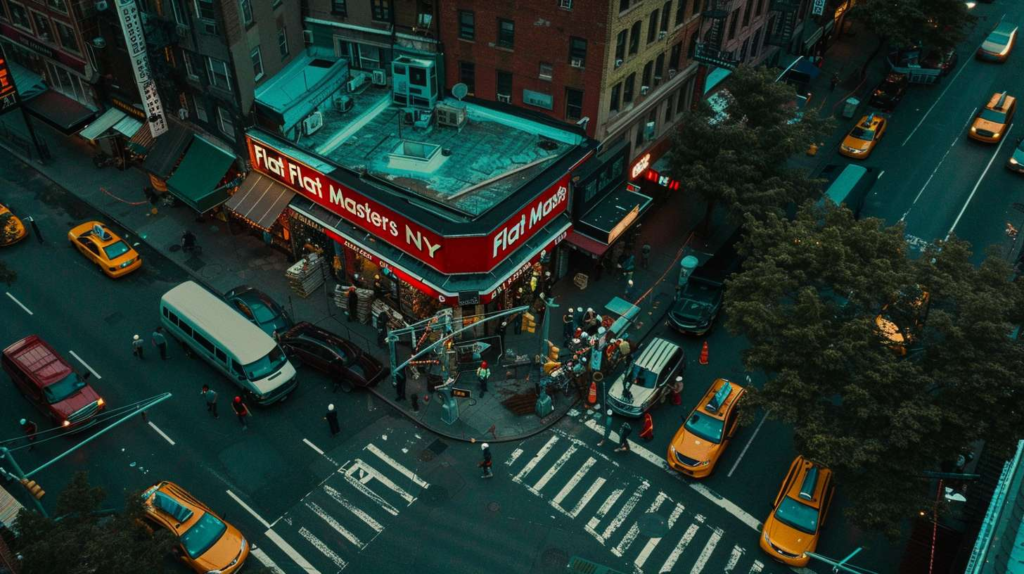
Eleven inches can be the difference between a bright kitchen and a leak call. I remember a drizzly Tuesday around 7:15 in the morning in Astoria - the couple wanted a skylight over their galley kitchen because the room felt like a cave with cabinets. The previous contractor had marked the opening dead center, based on what looked balanced from inside. But once I lifted the membrane and checked the deck, the joists and an old abandoned vent line told a completely different story. I'm Marta Zielińska, and with 27 years of flat roofing work in Queens and a specialty in tricky drain-and-curb layouts on older flat roofs, I've learned to redraw the curb before I ever order the unit. That morning I shifted the location eleven inches, told them "sunlight doesn't care about symmetry as much as water does," and they still send Christmas cards. My honest opinion: judge a skylight installation by where the water goes first, and where the sunlight lands second.
| Myth | Real Answer |
|---|---|
| The best interior ceiling spot is automatically the best roof opening spot. | Joist direction, framing conflicts, and abandoned penetrations often force the opening to shift. The interior view is a starting point, not a blueprint. |
| Flat roofs are level, so placement is flexible anywhere on the surface. | No flat roof is truly level - all are sloped toward drains, and that slope determines which sections can safely handle a curb assembly without creating a ponding trap. |
| A low-profile skylight always looks cleaner and performs better. | Low-profile units demand perfect flashing geometry. On a flat roof with any drainage irregularity, a taller curb is protective - a nearly flush unit is a future leak waiting for a heavy rain. |
| If the old roof isn't leaking now, any section can handle a skylight cut-in. | A dry roof is not the same as a structurally sound one. Deck deterioration, aging membrane, and chronic ponding areas may only reveal themselves once a new penetration interrupts the existing water path. |
| Sun exposure matters more than drain location when choosing placement. | Drain location governs the slope direction of the entire roof field. Placing a skylight between a drain and a parapet - or directly upslope of a clogged drain - invites water collection at the worst possible spot. |
How an Existing Flat Roof Gets Evaluated Before Any Opening Is Cut
What Gets Checked from Inside the House
That sounds logical indoors, but up on the roof, the sequence flips entirely. Before anyone marks a ceiling, the evaluation starts with where the room sits relative to the joist run, which direction the framing travels, what's overhead and what's been patched. In older Queens neighborhoods like Astoria, Jackson Heights, and Ridgewood, you're frequently dealing with patched membranes laid over original decks, drains that shifted during past repairs, parapet heights that limit curb options, and prior vent relocations that left blocked-off chases right where a homeowner wants daylight. The deck condition and drainage path get reviewed before anyone talks about glass size.
One August afternoon in Jackson Heights - the kind of sticky heat where the roof feels like a stovetop - I was called in after a homeowner had already paid someone for what was supposed to be a clean skylight installation. The unit had been set nearly flush with the membrane. By 3 p.m., a thunderstorm rolled through, and I watched water creep toward that skylight frame exactly the way I'd predicted from the moment I stepped on the roof. We rebuilt the curb height, reflashed the entire surrounding area, and reworked the nearby drain saddle from scratch. That job is why I now carry a small wooden ruler from my old teaching days - I tap the curb edge with it and show homeowners, in actual inches, why curb height isn't cosmetic. It's the margin between a sealed system and a slow disaster.
What Gets Checked on the Roof Surface
Identify where the homeowner wants light, what the ceiling material is, and whether there's an attic cavity or direct deck exposure to work through.
Locate joist direction and spacing, identify any blocking or load-bearing elements, and confirm whether headers can be added without structural issues.
Probe the membrane for soft spots, delamination, and prior patches. Check for deck rot or deterioration that would compromise the new curb anchor points.
Map the roof slope direction, locate all drains and scuppers, and identify any low spots or ponding zones that could collect against a new curb assembly.
Confirm that a properly raised curb - typically a minimum of 4 inches above the finished roof surface - can be built without conflicting with parapet height, HVAC units, or rooftop access paths.
Reconcile the interior preferred location with roof realities and document the agreed placement, any pre-work required, and the full flashing and drainage plan before any opening is cut.
| Roof Condition | Why It Matters | Typical Fix Before Skylight Installation |
|---|---|---|
| Joist Conflict | A joist running directly through the planned opening means the cut cannot happen at the marked location without structural reinforcement. | Relocate the skylight or add a header and double joists to frame around the opening safely. |
| Abandoned Vent Line | Old vent chases create voids in the deck that weaken curb anchoring and can trap moisture directly below the new assembly. | Cap and fill the vent chase, reinforce the deck section, and shift the curb location away from the void if needed. |
| Low Spot / Ponding Area | Placing a curb at or near a ponding zone means standing water will press against the flashing base every storm cycle - the fastest way to a leak. | Reposition the skylight, or address the drainage issue with tapered insulation or a drain saddle before installation proceeds. |
| Nearby Drain | A skylight placed between a drain and the surrounding roof field can interrupt the slope path water relies on to exit, creating backup and pooling at the curb base. | Rework the drain saddle and confirm the slope still carries water past - not toward - the new curb assembly. |
| Aging Membrane | A brittle or cracked membrane cannot be cleanly integrated into new flashing. Any tie-in to compromised material creates a weak seam around the entire skylight perimeter. | Repair or replace the membrane field around the planned opening before cutting - not after. |
| Parapet Shadow Zone | Skylights placed too close to a parapet wall get blocked from direct light for significant parts of the day and can also conflict with parapet flashing that needs to remain intact. | Move the skylight toward the center of the roof field, balancing daylight access with flashing clearance from the parapet base. |
Where Homeowners Get Tripped Up on Curb Height, Flashing, and Drainage
Blunt truth - glass is easy; tying it into a flat roof is the grown-up part. The failures I see after bad flat-roof skylight work almost always trace back to three decisions that someone rushed: a curb built too low because it "looked fine" from street level, flashing that was tucked into old membrane instead of a properly rebuilt field, or a unit dropped into a section of roof that was already collecting water near a drain. Those three mistakes don't show up the day of installation. They show up on the first heavy rain in October when the homeowner is moving furniture away from a wet ceiling. Getting adding skylights to flat roof systems right means treating the curb, flashing, and drainage as one coordinated assembly - not three separate afterthoughts.
Three Leak Triggers That Show Up After Bad Flat-Roof Skylight Work
- Curb built too low relative to the roof surface. Any curb that doesn't clear the finished roof plane by a meaningful margin - typically at least 4 inches - becomes a dam that water pools against rather than drains away from.
- Flashing tied into old membrane without rebuilding the surrounding field. New flashing bonded to brittle or cracked existing membrane creates a seam that fails under thermal expansion and freeze-thaw cycles, usually within one to two winters.
- Unit placed in a water collection path near a drain or sagging section. A skylight sitting in a natural low spot or directly upslope from a slow drain concentrates roof runoff exactly where you least want it - pressed against the curb base every storm.
Which Flat Roofs in Queens Make Good Skylight Candidates
Do you want daylight, or a brighter leak?
Good Candidate Signs
I'll say the unpopular thing first: not every flat roof should get a skylight in the exact spot you want. But many roofs can support one after targeted correction work, and honest evaluation usually separates the "ready now" from the "ready after some prep." The signs of a viable candidate are pretty consistent: a deck that's structurally sound, a framing path that doesn't require heroic rerouting, no history of chronic ponding right where the opening is planned, and enough clearance from parapet walls and existing penetrations to raise a proper curb. A roof doesn't have to be new - it has to be honest about its condition.
I had a Saturday call in Ridgewood, just before sunset, from a retired trumpet player on Woodbine Street who wanted light in his studio but was genuinely afraid of wrecking the roof his brother had helped patch for years. When I got up there, I found three generations of repairs: aluminum coating over modified bitumen, mismatched patches, and one heroic blob of mastic that honestly deserved its own ZIP code. I could absolutely plan for adding skylights to that flat roof - but only if we treated the entire system as something to be addressed rather than a lucky relic to work around. He hired us, we handled the repair work first, and later he said the first bright winter morning under that skylight felt like someone turned the music back on in the room. That's the version of this job that works. The one where the roof earns the skylight.
Conditions That Call for Repair First
Questions Worth Asking Before You Hire Someone for the Work
If I'm standing in your hallway, the first question I ask is: where does the water go when nobody's looking? The hiring decision should be framed the same way - around method, not promises. Before you agree to anything, ask the contractor how they plan to handle curb height relative to the finished roof surface, how the flashing will tie into the existing membrane, how they'll manage the drainage path once the opening changes the roof geometry, and whether any membrane rebuilding is needed around the unit before the glass goes in. A contractor who answers those questions specifically has thought it through. One who pivots immediately to skylight brand options probably hasn't spent enough time on your roof yet.
Here's the thing - if a contractor can't sketch where rain will try to find a shortcut around that curb assembly, they haven't thought deeply enough about your specific roof. Not every flat roof in Queens is a problem candidate, but every skylight installation deserves a layout review that takes water behavior seriously before the first mark goes on the ceiling. If you want a straight answer about whether your roof is ready and where a skylight actually belongs on it, call Flat Masters and ask for a feasibility review - placement, curb design, drainage, the whole picture, before anything gets cut.