
Snow Is Heavy - And Your Flat Roof Needs to Be Designed to Handle the Weight
You noticed before it got worse. Snow itself is only part of the danger - on a flat roof, the real problem is often the added weight of trapped meltwater and drifting that makes one section carry far more than the snowfall total ever suggests. One corner of your roof can be holding three times the load of another, and the weather app won't tell you that.
Why Snowfall Totals Mislead Flat Roof Owners
Six inches in Queens does not always mean six inches on your roof. Snow on a low-slope surface doesn't just sit evenly and wait to melt - it compacts, it drifts, it crusts over, and it starts holding the water beneath it like a shallow basin. The number on the weather app is a starting point, not a weight calculation.
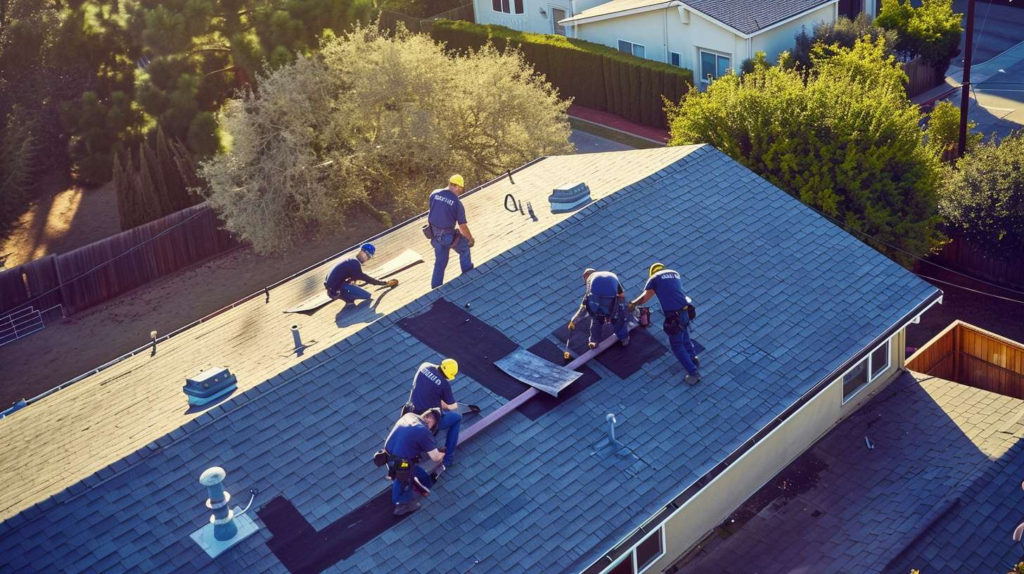
As Rosa Velasquez, with 22 years in flat roofing and a long specialty in winter flat-roof diagnostics for Queens co-ops, I'd define the flat roof snow load as the total weight the structure must carry from all snow-related accumulation - not just fresh fluff, but compacted layers, drift piles, and the meltwater trapped underneath. Think of it this way: a stack of dry textbooks is manageable. Now soak those same textbooks in water and pile them in one corner. That's what happens when snow compacts and meltwater has nowhere to go. And honestly, nothing bothers me more than when a property owner hears "quiet roof after a storm" and thinks that's a good sign. A roof that's silently holding pooled water and packed snow is not resting - it's working harder than it should be.
| Myth | What the roof is actually doing |
|---|---|
| Snow depth tells you the whole story | Depth is just the start. Snow compacts over days, absorbs moisture, and the actual weight per square foot can triple what fresh accumulation suggests. Compaction is the number that matters. |
| Flat roofs only fail during blizzards | Some of the worst damage happens after a modest snowfall when freezing rain follows. An ice crust seals meltwater underneath, and that steady, quiet weight stresses the structure without any dramatic event. |
| No leak means the load is fine | Structural stress and water infiltration are two different problems. A roof can be carrying dangerous overload long before a single drop comes through the ceiling. Leaking is a late signal, not an early warning. |
| All parts of a flat roof carry snow evenly | Drift loading is real. Wind pushes snow against parapets, HVAC curbs, and mechanical equipment, creating localized piles that can be two to four times deeper than the open field. That one corner carries the weight of the entire drift. |
| Cold weather keeps snow weight stable | Temperature swings do the opposite. Freeze-thaw cycles cause snow to melt partially, refreeze as dense ice, and add layer after layer of increasing weight. That crust you see on day three is heavier per inch than anything that fell on day one. |
Where the Weight Actually Builds Up
Drifts beside parapets and rooftop equipment
I'll tell you what worries me faster than snowflakes: silence from the drains. That sounds reasonable to focus on snow depth, but here's what the roof is actually doing - it's blocking drainage, allowing meltwater to sit under packed snow, and creating a localized overload right where the structure may already be weakest. I was on a six-family in Elmhurst at 6:40 in the morning after that heavy February storm, and the super kept saying, "It's just snow, leave it till Saturday." Then I stepped onto the roof hatch landing, saw the drains buried, and heard that low sloshy sound under my boots that tells me meltwater is trapped under packed snow. By 8 a.m. we were clearing channels because the ceiling on the top floor had already started to bow around a light fixture. That was not a blizzard. That was a roof that ran out of options quietly.
Buried drains that turn snow into standing water
Back in that Elmhurst storm, before sunrise, I knew the roof was in trouble by the sound underfoot. One soft area, one low section, one drift line - those three things together matter more than the rest of the roof combined. Queens buildings carry a very specific set of risk patterns: parapets that catch wind-driven snow off Jamaica Bay or between the tightly spaced attached rowhouses along 85th Avenue, older insulation assemblies that have settled unevenly over decades, and roofs with mixed-age repairs where the slope has been compromised a little more with every overlay. When freezing rain follows a snowfall - which happens more here than people remember - the result is a surface that looks stable and is anything but.
A flat roof rarely complains everywhere at once.
| Roof condition | What adds weight | Why that section gets stressed first | Practical risk level |
|---|---|---|---|
| Clear drains + even snow cover | Fresh snowfall only, draining normally | Load is distributed, meltwater exits as designed | LOW - monitor as storm continues |
| Drifted edge buildup near parapets | Wind-compacted drift, 2-4x deeper than field | All that extra weight lands on the edge zone, which is often the oldest or most repaired section | MODERATE-HIGH - inspect soon |
| Snow over a known low or ponding spot | Snow weight plus trapped meltwater layer underneath | Ponding area holds both the snow load and liquid weight simultaneously - the surface can't drain either one | HIGH - address immediately |
| Compacted snow over an old patched section | Dense, compacted snow plus the dead load of existing patch layers | Patch overlays already added weight before a flake fell; compacted snow pushes the total past what that section can handle | SEVERE - do not delay |
| Snow plus freezing rain crust on top | Sealed ice crust traps meltwater, prevents drainage entirely | Ice is heavier per inch than snow; the crust acts as a lid, turning any meltwater beneath into a trapped pond | SEVERE - call for inspection now |
⚠ Don't judge load safety by indoor leaks alone
Visible leaking is a late-stage signal. By the time water is coming through, the roof may have already been carrying dangerous stress for hours. Watch for these four signs before you see a drip:
- Ceiling bowing around light fixtures or junction boxes on the top floor - that curve is weight, not age.
- Doors suddenly sticking on the top floor when they opened fine yesterday - the frame is shifting.
- New cracking or popping sounds from above - that's the structure talking. Don't ignore it.
- Soft or sloshy feel near the hatch access - if the deck moves underfoot, meltwater is already pooled beneath the surface.
Any one of these is reason enough to stop guessing and call for an inspection.
Questions I Ask at the Hatch Before Anyone Touches a Shovel
If I'm standing with a customer by the hatch, I usually ask, where do you think this meltwater is supposed to go? That sounds like a small question, but it reframes everything. Snow removal done carelessly - just grabbing a shovel and pushing toward the edge - can shift a concentrated load suddenly, tear membrane that's already brittle in the cold, or push standing water toward a section that was already the weakest point on the roof. Before a single shovelful moves, you'll want to identify where the drains are, where the low spots run, and where the drifts have stacked deepest. That way, the first cleared channels actually create relief. Clear the wrong area first, and you move the problem rather than solving it.
One January afternoon in Rego Park, I was meeting a board president who had printed weather totals from three different apps like she was preparing for a debate team final. She wanted to understand the flat roof snow load definition - totally fair question - but the spreadsheet wasn't the issue. Their older roof had uneven insulation under the membrane, and one side had been holding drifted snow like a sagging shelf. I picked up two of her reusable grocery bags sitting by the door and showed her how the same amount of weight feels completely different spread across both arms versus hanging from two fingers on one corner. That's the image she needed. That's exactly what snow load on a flat roof looks like when the insulation underneath isn't level and the drift has chosen a side.
Design Weaknesses Winter Exposes Fast
Old patches, bad slope, and hidden low spots
Here's the blunt truth: flat roof and snow load problems are often design problems wearing a winter coat. Inadequate slope, repeated overlay repairs, drainage layouts that never made sense to begin with, and insulation that's settled unevenly after years of thermal cycling - none of that is caused by winter. Winter just shows up, adds weight, and removes every excuse for ignoring what was already wrong. A roof that performed "fine" through three mild winters is not a well-designed roof. It's a roof that hasn't been tested yet.
A flat roof handles weight a lot like an old classroom bookshelf - fine when the load is even, risky when everything heavy gets shoved to one side. I got called to a small commercial building off Roosevelt Avenue right before sunset, freezing rain coming sideways, owner pacing in dress shoes on the sidewalk. He thought the problem was the membrane. It wasn't. The real issue was snow load on a flat roof over an area that had been patched too many times and never corrected for slope. I scraped a test section with my trowel and saw layer after layer like a badly frosted cake - every old repair sitting on top of the last one, each adding permanent dead weight the structure had to carry before a single snowflake landed. Stack wet textbooks on a shelf that's already bowing in the middle, and you don't need a big storm. You just need one more soaked towel on the wrong corner.
| Option | Pros | Cons |
|---|---|---|
| Temporary snow removal only | Reduces immediate weight on the surface. Fast to execute. Can relieve visible drift pressure in the short term. | Does not answer whether the roof was already overstressed. Careless removal can damage membrane or shift load suddenly. Trapped meltwater underneath may still be present after surface snow is gone. |
| Full winter load evaluation by a professional | Identifies whether drainage is truly functioning. Spots weak areas before they become structural events. Gives you a documented condition report for the building. | Takes more time and costs more upfront. May surface problems that need immediate budget attention. Not a same-minute fix if load is actively dangerous - removal still needs to happen first in emergency conditions. |
What Queens Owners Should Do After the Storm Passes
Once the immediate danger passes, resist the urge to declare the problem over. Walk the interior top floor first - document any new staining, ceiling deformation, or door behavior while it's fresh. Then verify that every drain and scupper is fully discharging and that no low spots are still holding water days after the snow cleared. If one area of your roof consistently collects snow, holds water, or shows up in every post-storm inspection report, that's a design issue - and summer is the right time to fix slope, re-route drainage, or replace an overlay assembly that's been pushed past its useful life. Don't wait for the next February to confirm what you already suspect.
What is the flat roof snow load definition in plain English?
It's the total weight your roof structure must carry from everything snow-related: fresh accumulation, compacted layers, drifted piles, and any meltwater trapped on or under the surface. Not just what fell - what stayed, compacted, and pooled.
Is a flat roof more vulnerable than a pitched roof in snow?
Yes, for one key reason: pitched roofs shed snow by gravity. Flat roofs hold it until it melts or gets removed. That means the load stays and grows - especially when drainage is slow or blocked.
Should I remove snow myself?
Not without knowing where the drains and low spots are first. Pushing snow toward the wrong edge can tear cold membrane or shift the concentrated load to a weaker zone. If you're going up, go up with a plan - or call someone who has one.
How do I know if trapped water is part of the problem?
Listen and feel. A sloshy or soft sound underfoot near the hatch means water is sitting under the surface. If the deck flexes when you walk it, that's not normal. You don't need to see standing water for it to be there.
Can the roof be strengthened or re-sloped before next winter?
Yes. Tapered insulation systems can improve drainage slope without tearing off the whole assembly. Drain relocation, scupper additions, and proper overlay removal are all real options. Spring and summer are the right windows to address what winter just revealed.
If snow is lingering on your roof, drains are buried, or one section is clearly carrying more than the rest, don't wait for the ceiling to tell you. Call Flat Masters for a flat-roof inspection in Queens before the weight turns into structural damage - we'd rather catch it early than sort it out after.
- Rosa Velasquez, Flat Masters | Serving Queens, NY