What Do You Actually Put on a Flat Roof? Here's Every Option Explained Clearly
Before the rainy season, most building owners in Queens assume "flat roof" is a single category-pick a color, pick a price, done. It isn't. There are several completely different systems that go on a flat roof, and the wrong one can fail in under three years even when the installation looked perfectly clean from the sidewalk below.
Flat roof coverings are systems, not one interchangeable product
At 7 a.m. on a Queens roof, the first thing I look at is where the water sat overnight. That detail tells me more than any spec sheet. A flat roof can be covered with modified bitumen, EPDM, TPO, PVC, BUR, or a coating system-and each one behaves differently under foot traffic, standing water, heat, and cold. A neat installation can still fail inside two winters if the system was mismatched to the roof's actual conditions. I remember being on a two-family in Elmhurst at 6:40 in the morning, fog still hanging low, and the owner kept asking if we could "just paint something on" over a failing modified bitumen roof. I peeled back one blister with my hook knife and water actually ran out onto my boot. That was the morning I started telling people coatings are not raincoats for rotten plywood.
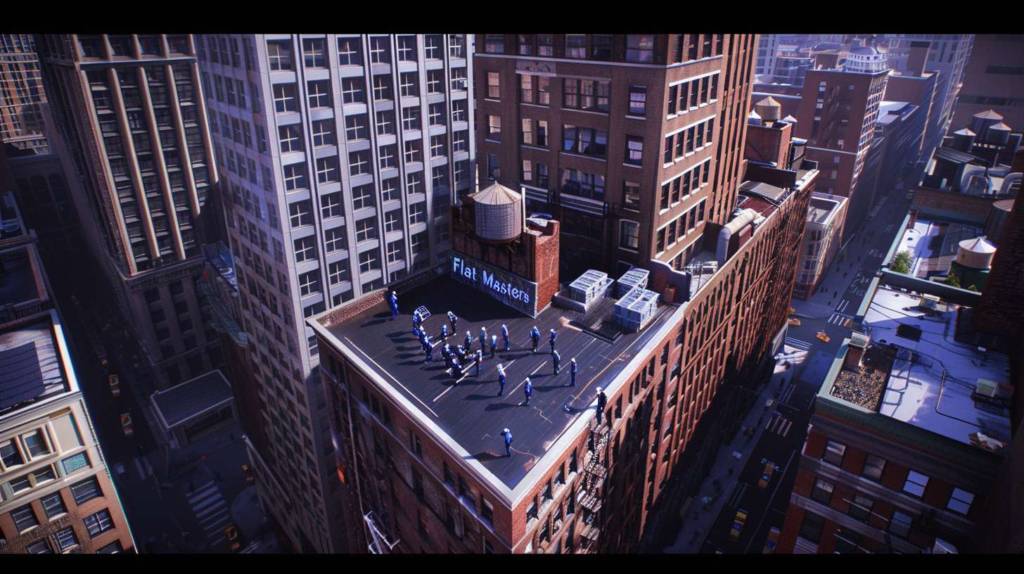
Here's the blunt part nobody loves hearing: a temporary patch, a coating, a recover, and a full roof system are four different things-and confusing them is expensive. A patch buys time on one spot. A coating adds a protective film over a sound, dry substrate. A recover adds a new membrane layer over the existing roof without tearing off. A full system means everything comes off down to the deck, and you start fresh. None of these is interchangeable, and none of them fixes the problem the one below it was supposed to solve.
| Option | What It Is | Typical Installation Method | Best Fit For | Common Weak Point | Best Used As |
|---|---|---|---|---|---|
| BUR (Built-Up Roofing) | Multiple layers of bitumen and reinforcing felt, topped with gravel or a cap sheet | Hot-mopped or cold-applied in sequential plies | Large commercial roofs with minimal penetrations and solid drainage | Heavy, adds significant dead load; difficult to pinpoint leak sources | New full system on structurally sound, load-rated decks |
| Modified Bitumen | Asphalt modified with APP or SBS polymers, sold in rolls with a reinforcing mat | Torch-applied, hot-mopped, or self-adhered in two-ply systems | Residential and small commercial roofs with moderate foot traffic | Seam failure over time; torch work near flashings and combustibles requires care | New system or recover layer over sound existing roof |
| EPDM | Synthetic rubber membrane, typically black, available in large sheets up to 50 ft wide | Fully adhered, mechanically fastened, or ballasted | Roofs needing flexibility, temperature resilience, and minimal seam count | Heat absorption (black surface); grease exposure degrades rubber | New system; best when large unobstructed sheets can be used |
| TPO | Thermoplastic polyolefin; white or light-colored single-ply membrane, heat-welded seams | Mechanically fastened or fully adhered; seams hot-air welded | Energy-conscious buildings, rooftops needing reflectivity in hot climates | Seam quality depends heavily on welder skill and temperature conditions during install | New system or recover where reflectivity is a priority |
| PVC | Polyvinyl chloride single-ply membrane; flexible, chemically resistant, heat-welded seams | Fully adhered or mechanically fastened; seams hot-air welded | Restaurants, food-service buildings, or any roof with grease exhaust exposure | Higher material cost; becomes brittle in extreme cold over many years | New system where chemical resistance is a hard requirement |
| Silicone / Acrylic Coating | Fluid-applied coating that cures into a seamless protective film over an existing membrane | Spray or roller-applied over cleaned, primed, sound existing substrate | Roofs with sound, dry substrates showing surface weathering but no structural issues | Cannot fix wet insulation, open seams, or rotten decking-only masks them | Restoration layer only-never a replacement for a failed roof system |
⚠ Don't Confuse a Coating With a New Roof
Coatings do not fix soaked insulation, rotten decking, open seams, trapped moisture, or active movement in the substrate beneath them. Applying a coating over a failing system doesn't restore the roof-it seals the problem inside, accelerates hidden deterioration, and shortens the useful life of whatever legitimate roof system gets installed next. A coating is a maintenance tool for a sound roof, not a rescue for a compromised one.
How to match the material to the roof you actually have
Drainage and ponding water change the answer
If you were standing in front of me, I'd ask one question first: where does the water go after a hard storm? Drainage pattern is the first layer of the decision-not brand, not color, not what the neighbor used. In Queens row buildings and older multifamily roofs, uneven framing, settled decking, and retrofitted HVAC curbs create drainage patterns that were never part of any original plan. A membrane that performs well on a roof with positive slope toward functional drains will fail faster on one where water sits in the same three spots every single rain.
If you cannot answer where yesterday's rain sat, you are not choosing a material yet-you are guessing.
Decision Tree: What To Put On a Flat Roof
Restoration: Sound substrate + surface wear = coating system (silicone or acrylic)
New membrane: Consider TPO or EPDM. Many penetrations? → PVC or fully adhered EPDM. Reflectivity a priority? → TPO or white-surface modified bitumen.
Many penetrations (HVAC, pipes, curbs)? → Favor fully adhered systems with fewer field seams. PVC or adhered EPDM handles complex flashing details better than mechanically fastened single-ply.
Restaurant or grease exhaust present? → PVC only. EPDM and TPO degrade with grease contact.
Reflectivity a top priority? → TPO or PVC with white or light surface. Modified bitumen with granulated white cap sheet is a lower-cost alternative.
Seams, penetrations, and parapet details matter more than marketing names
I once peeled back a corner in Woodside and found three generations of bad decisions-modified bitumen over rolled 90-pound mineral surface over what used to be BUR gravel that somebody had swept flat instead of removed. As Dee Markham, with 27 years in flat roofing and a specialty in untangling multi-family replacements with buried old systems, has seen in building after building across Queens: every additional buried layer changes what options are even legal or practical for the next install. Most jurisdictions, and most manufacturer warranties, cap recovers at two existing layers before requiring a full tear-off. You'll want to know what's under there before you commit to anything.
Let me put this the way I used to explain cloud layers to thirteen-year-olds: storm systems don't care what the weather report said yesterday. Pressure builds, moisture moves through layers, and heat finds the path of least resistance. A roof works the same way. Warm interior air pushes moisture upward through insulation. Summer heat drives that moisture toward cooler zones. Cold winter air reverses the direction. The membrane you choose has to handle that two-way pressure-and if the layers underneath it are already saturated, it doesn't matter how well the top membrane is installed. Membrane choice follows roof conditions. It never works the other way around.
Queens building realities that rule some options in or out
A bucket of coating and a real roof system are not cousins. In Queens, that distinction matters more than most places because of what the buildings actually look like up there. Attached two- and three-family homes in Astoria and Woodside often share parapet walls with neighbors, which means flashing can't be detailed the same way it would be on a freestanding building. Older multifamily roofs in Ridgewood and Elmhurst routinely have patched histories going back thirty or forty years-different materials, different contractors, different standards. Add in HVAC equipment, kitchen exhaust fans, satellite dishes, and the occasional pigeon coop, and you've got a roof surface that's less like a blank canvas and more like a crowded intersection. Chimney and parapet flashing issues alone can eliminate certain mechanically fastened systems from consideration. The heat swings here-routinely 90-plus in July and below freezing in February-put real stress on seams and flashings every single year. Working neighborhoods like these long enough, you start to recognize the patterns before you even get on the ladder.
Queens-Specific Flat Roof Facts
Common Roof Obstructions
HVAC curbs, exhaust fans, satellite mounts, and parapet-mounted equipment are standard on Queens multifamily roofs-each one is a potential seam and flashing challenge that influences which membrane system is even practical.
Typical Drainage Challenge
Older attached buildings often have internal drains that were retrofitted without re-sloping the deck, leaving low spots where water collects after every rain. No membrane choice compensates for a drain that's not at the low point.
Why Summer Surface Temperature Matters
Black membrane surfaces in Queens regularly exceed 150°F in July, accelerating thermal movement and seam stress. This is why material color, reflectivity, and seam attachment method are not cosmetic choices-they're performance decisions.
Why Multiple Existing Layers Complicate the Choice
Many Queens buildings carry two or more buried roof layers. That limits recover options, raises the deck load, and hides moisture-so material selection can't happen honestly without knowing what's already under there.
| Myth | Real Answer |
|---|---|
| "Rubber always means cheap." | EPDM is a high-performance synthetic rubber used on some of the most demanding commercial roofs in the country. Cost depends on installation method, seam strategy, and system design-not on calling it rubber. |
| "White roofs solve every heat issue." | Reflective membranes reduce surface temperature, but they don't fix inadequate insulation or poor drainage. A white roof over wet insulation is still a failing roof-just a cooler-looking one. |
| "Torch-applied is always the strongest option." | Torch-applied modified bitumen performs well when applied correctly, but "strongest" depends on the substrate, slope, and detail work. A poorly torched seam near a parapet fails faster than a well-adhered EPDM on the same roof. |
| "More layers mean more protection." | Multiple buried layers add weight and hide moisture-they don't multiply protection. Beyond two layers, most manufacturers void warranties and most codes require a tear-off before any new system is installed. |
| "Any leak can be handled with silver coating." | Aluminum/silver fibered coating is a temporary sealant at best. It doesn't bond reliably to most membranes long-term, and applying it over an active leak just routes water somewhere less obvious-usually into insulation. |
Which option usually fits each goal owners bring to the conversation
When the goal is longest service life
One August afternoon in Ridgewood, the roof surface hit so hot my infrared thermometer read 168 degrees, and a landlord was convinced EPDM was "the cheap rubber one" and therefore automatically worse than what he'd heard about TPO. I walked him to the sunny side of the roof and then to the shaded side, showed him how surface temperature was only one factor, and started asking about the building's penetration count-eleven HVAC curbs, three exhaust stacks, and two skylights on a roof that was roughly 2,400 square feet. At that penetration density, the priority shifts from membrane color to seam count and flashing flexibility. He ended up with a fully adhered EPDM system because the building's geometry made large-format sheets with minimal field seams a smarter call than a mechanically fastened option with dozens of cut-and-patch details around every curb.
When the goal is lower upfront disruption
Honestly, I'm skeptical any time a contractor leads with a product name before asking about drainage and substrate. That's not how roofing decisions should work, and I'm not going to pretend otherwise. In practice, for Queens roofs where the substrate is sound and the goal is extend-not-replace, a quality coating restoration using a silicone system over cleaned and primed modified bitumen can buy five to ten solid years. For roofs where the owner wants to go long-fifteen to twenty years-fully adhered single-ply systems like TPO or EPDM, or a two-ply modified bitumen with a quality cap sheet, tend to be where I land after inspection. And here's the insider tip: before you discuss membrane color, coating brand, or warranty length with any contractor, ask them to describe their seam strategy, how they'll handle each penetration flashing, and what they'll do at the perimeter edge and parapet. If they can't walk you through that in plain language, the conversation isn't ready to move forward yet.
When the goal is handling a tricky roof layout
| System | Pros | Cons |
|---|---|---|
| Modified Bitumen | Familiar to most crews; repairable in the field; handles foot traffic well; two-ply system adds redundancy | Torch work creates combustion risk near flashings; seam quality varies by installer; black surface absorbs significant heat |
| EPDM | Large sheets minimize field seams; excellent flexibility in cold; long track record; fully adhered version handles odd geometries well | Black surface absorbs heat; grease exposure degrades membrane; seam tape requires clean, dry conditions to bond correctly |
| TPO | Reflective surface reduces heat gain; heat-welded seams are strong when done right; widely available; good puncture resistance | Weld quality is highly installer-dependent; seam failure is common on cold-day installs; thinner membranes show wear faster |
| PVC | Outstanding grease and chemical resistance; heat-welded seams; reflective surface; best option for restaurant rooftops | Higher upfront material cost; becomes brittle in sustained extreme cold over many years; fewer installers specialize in it |
| Coating Restoration | Lowest disruption; no tear-off; seamless when applied correctly; extends service life at fraction of replacement cost | Only works on a sound, dry substrate; doesn't address drainage or structural issues; not a substitute for a failed system |
Inspection Clues That Change the Recommendation
Questions worth asking before anyone tells you the best thing to put on a flat roof
After a Sunday thunderstorm, I got a call from a bakery near Astoria Boulevard where someone had covered a flat roof patch with what looked like half a hardware store-silver coating, plastic cement, fiberglass mesh, and a fair amount of optimism. It was still drizzling when I got there, and the owner was standing under a prep table with a mixing bowl catching drips. The patch had created a false sense of security: the original failure was still there underneath, now sealed in and directing water laterally until it found the path of least resistance through a seam nobody had touched. That call is the reason I'm direct when I explain the difference between patching, coating, recovering, and replacing. If the contractor you're talking to can't tell you where the water currently goes, what condition the substrate is in below the surface, and exactly how the perimeter edges will be detailed-the conversation is missing the parts that actually determine whether a roof works.
Before You Call: 7 Things To Know About Your Roof
- Age of the current roof - Even an approximate installation date narrows the material choices and tells a contractor what to look for.
- Leak pattern - Note whether leaks follow rain, snow melt, or both, and whether they appear in the same spot or migrate.
- Ponding locations - Identify where water visibly sits more than 48 hours after a storm. Photograph it if you can.
- Number of existing layers - Check at a visible edge or ask your previous contractor. Two buried layers may mean tear-off is required.
- Rooftop equipment - Count HVAC units, exhaust fans, and any curbs or pipe stacks. This directly affects system and flashing options.
- Interior use of the building - Residential, commercial kitchen, cold storage, and retail all have different vapor and temperature profiles that influence insulation and membrane selection.
- Goal: patch, recover, or replace - Even a rough sense of your goal helps a contractor direct the inspection toward the right scope.
Flat Roof Material Questions - Answered Directly
What's the best material for a flat roof with ponding water?
Does a roof coating count as a new roof?
Can you install a new flat roof over an old one?
Which flat roof system handles lots of penetrations best?
How does Queens weather affect flat roof material choice?
There's no universal answer to what to put on a flat roof-and any contractor who leads with one before looking at your drainage, your substrate, and your building layout is selling product, not solving problems. If you're ready for a roof-specific conversation based on what's actually on your building, call Flat Masters. We'll start with the right questions, not a brochure.