
Warm Roof or Cold Roof? Here's Why Most People Choose Warm - and Why It's Smart
For most Queens homes, warm wins because it controls both comfort and moisture better
Before you call, know where you already stand: for most homes in Queens, a warm flat roof is the smarter choice. It handles heat loss and moisture control better than the older cold-roof approach, and once you understand why, the decision stops feeling complicated.
When I explain flat warm roof design, I start with one question: where is the heat going now? A warm roof places insulation above the structural deck, which keeps that deck in a warmer, friendlier temperature zone and stops heat from wandering into parts of the assembly where condensation and discomfort quietly begin. I'm Noel Baptiste, and with 25 years known across Queens for warm flat roof retrofits and rebuilds on older homes where heat loss and condensation have been ignored too long, I've watched this design logic solve problems that new materials alone never could. Heat isn't static - it wanders unless the assembly guides it correctly, and a warm roof is built around that reality.
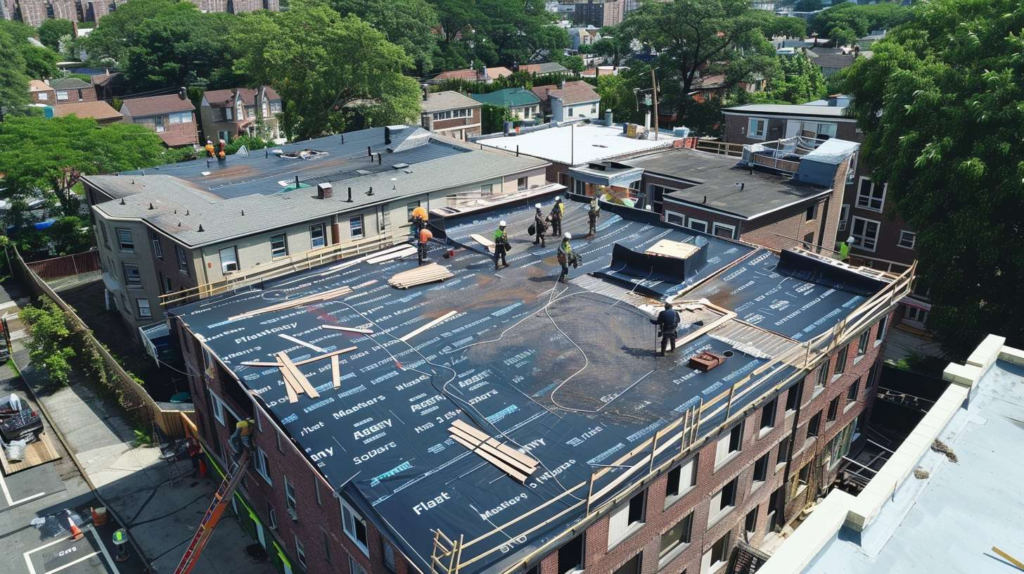
4 Reasons Homeowners End Up Choosing Warm Roof Design
Fact 1
Insulation sits above the deck - protecting the structure from cold rather than sitting inside it.
Fact 2
Wandering heat is controlled earlier - the assembly stops heat loss before it reaches the cold side.
Fact 3
Condensation risk is easier to manage - because the deck stays on the warm side of the insulation layer.
Fact 4
Older Queens homes respond well to the logic - the assembly adds up from above without fighting the existing structure.
Top-floor discomfort is often the first clue that the assembly is losing control of heat
The room tells you before the roof language does
On an older Queens house, the top floor usually gives the game away. One freezing January morning in Jamaica, Queens - not far from Sutphin Boulevard where the wind cuts hard off the street - I was in a top-floor bedroom where the homeowner kept saying he cranked the heat and it still felt tired in there. That phrase stayed with me. The roof was an older cold-roof arrangement with all the usual trouble: poor thermal performance, signs that moisture had been hanging around longer than it should. I remember drawing a warm flat roof buildup on the back of a utility bill because once he saw where the insulation actually belonged in the assembly, the whole thing clicked immediately.
I still remember a homeowner telling me the room felt 'tired,' and honestly that was perfect - it described exactly what a cold-roof setup does to a top floor. Discomfort, uneven heat, and moisture-related symptoms show up indoors long before owners know what roof assembly they're living under. In Queens specifically, older homes with rear extensions off the main structure are especially vulnerable. Those added rooms tend to have their own flat roof - often an afterthought - and they're the first to feel cold, clammy, or stuffy when heating season hits. Rooms that stay cold despite an active heating system, or that feel damp in November for no obvious reason, are almost always connected to what's happening - or not happening - in the roof assembly above them.
Note any top-floor comfort symptoms - unusual cold patches, stuffiness, or rooms that never feel right despite normal heating.
Identify your current roof assembly if possible - find out whether it's a warm or cold configuration, and when it was last properly worked on.
Trace where insulation currently sits in the build-up - above the deck, below it, or somewhere in between with ventilation space.
Look for moisture or condensation clues - staining on ceilings, damp near the eaves, or a persistent musty smell in rooms directly below the flat roof.
Compare whether a warm roof retrofit addresses the actual thermal behavior - not just the surface - and get a conversation going before small symptoms become structural ones.
Condensation problems start where rising warmth meets the wrong cold surface
Here's the blunt truth: if warm air keeps wandering into the wrong part of the assembly, trouble follows. Warmth rises - that's not a theory, that's just what it does. When that rising warmth hits a cold surface inside the roof structure, moisture drops out of the air at the dew point and slowly works its way into materials that were never designed to stay wet. A badly layered roof assembly doesn't need a leak to develop a moisture problem. It just needs time and a cold deck in the wrong place.
A roof buildup is a lot like getting dressed for winter - put the layers in the wrong order and you'll still feel the cold. A cold November afternoon in Astoria sticks in my head because I was on a flat roof warm roof replacement while the owner's teenage son kept asking genuinely great questions about why one layer went above the deck instead of below it. Most adults nod and move on; he wanted the logic. I told him a roof is like dressing for wind - if you put the protective layer in the wrong position, your body still feels the weather even if you've got enough material on. His mom laughed, but she repeated that comparison to me three times before the job was done, so I know it landed.
My opinion? Most people choose a warm flat roof for a reason - it works with the house, not against it. The assembly puts insulation where heat wants to stop, not where it's easiest to install. And here's the insider tip I give every homeowner who's comparing roof options: don't just ask what insulation value is being promised. Ask where the deck will sit thermally after the work is done. If the deck is still on the cold side of the build-up, the number on paper won't fix the behavior in practice.
| Layer or Condition | Its Job | What Goes Wrong When the Order Is Wrong |
|---|---|---|
| Structural deck | Carries all loads; the structural base everything builds from | If left on the cold side of insulation, it becomes a condensation surface that deteriorates quietly over time |
| Vapour control layer | Slows moisture-laden air from the interior rising into the build-up | Placed in the wrong position, it can trap moisture in the deck rather than stopping it from getting there |
| Insulation position (above deck) | Keeps the deck warm; defines whether the assembly is warm or cold roof | Placed below the deck or inadequately above it, heat wanders through the structure and the thermal benefit disappears |
| Waterproofing layer | Keeps weather out from above; must be continuous and properly detailed | Even a sound waterproofing membrane won't stop condensation from forming internally if the layers beneath it are in the wrong order |
| Edge and termination continuity | Seals the assembly at its perimeter - the point where most thermal bridges form | Poorly detailed edges let cold travel into the build-up, undermining insulation performance even when the field of the roof is correct |
| Internal room conditions below | Warm, stable interior air that the assembly above should contain and protect | If the assembly above is poorly ordered, interior warmth drives moisture upward into cold zones - and discomfort follows room by room |
Retrofit decisions get easier once you stop treating warm roof design like a trend
It is not newer-sounding; it is often better-suited
A roof buildup is a lot like getting dressed for winter - put the layers in the wrong order and you'll still feel the cold. I had a rear-extension project in Woodside during a damp April spell where the customer asked whether a flat warm roof was really worth the extra planning, or whether contractors just liked recommending the newer-sounding option. Fair question, and I've heard versions of it dozens of times. But by the time I showed her the existing assembly and pointed out the places moisture could get trapped behind a parapet that had never been properly detailed, the answer was obvious. We weren't choosing a trend. We were choosing a roof that made sense for how the house actually behaved - and for what Queens winters and shoulder-season dampness were doing to it year after year.
| Myth | Fact |
|---|---|
| Warm roof is just the fashionable option right now | Warm roof design follows building science, not trends - it keeps the deck thermally protected, which is a structural decision, not an aesthetic one |
| Cold roof is basically the same if you use a good material | Membrane quality and assembly logic are separate questions - a cold roof with a premium waterproofing layer can still develop condensation problems inside the structure |
| Insulation location is a minor installation detail | Where insulation sits determines which side of it the deck lands on - and that single decision defines the entire thermal and moisture behavior of the roof |
| Top-floor discomfort is a heating system problem, not a roof problem | The two are directly connected - a roof assembly that lets heat wander out forces the heating system to work harder without ever solving the underlying thermal loss |
| A roof can be waterproof and still handle heat well | Waterproofing and thermal performance are not the same job - a roof can be completely water-tight and still be leaking heat and accumulating interstitial condensation at the same time |
If you're unsure what assembly is currently over your Queens home - or you've been managing top-floor comfort issues and never connected them to the roof - call Flat Masters. We'll tell you honestly whether a warm flat roof retrofit or rebuild makes sense for your specific setup, and what the options actually look like for your home.