
Triple Glazed Flat Roof Windows Keep Heat In and Noise Out - Here's What's Available
Most of the time the obvious explanation is wrong. Homeowners blame insulation or the roof membrane first, but when a top-floor room feels cold or loud, the glazing itself is often the weakest link - and triple glazed flat roof windows exist precisely because that gap between what you expect and what you get is almost always solved at the glass, not the membrane.
Why Glazing Becomes the Real Weak Spot
Three panes change the whole experiment. Think of it this way: keep the room the same, keep the roof system the same, and change only the glazing package. That's your control, your variable, and your result. A single or older double-pane unit lets heat escape, amplifies rain, and does almost nothing to slow down street noise. Swap in a properly specified triple glazed unit with a quality frame and a sealed curb detail, and the same room behaves completely differently. The membrane didn't change. The insulation didn't change. The glass did - and that's the point people miss.
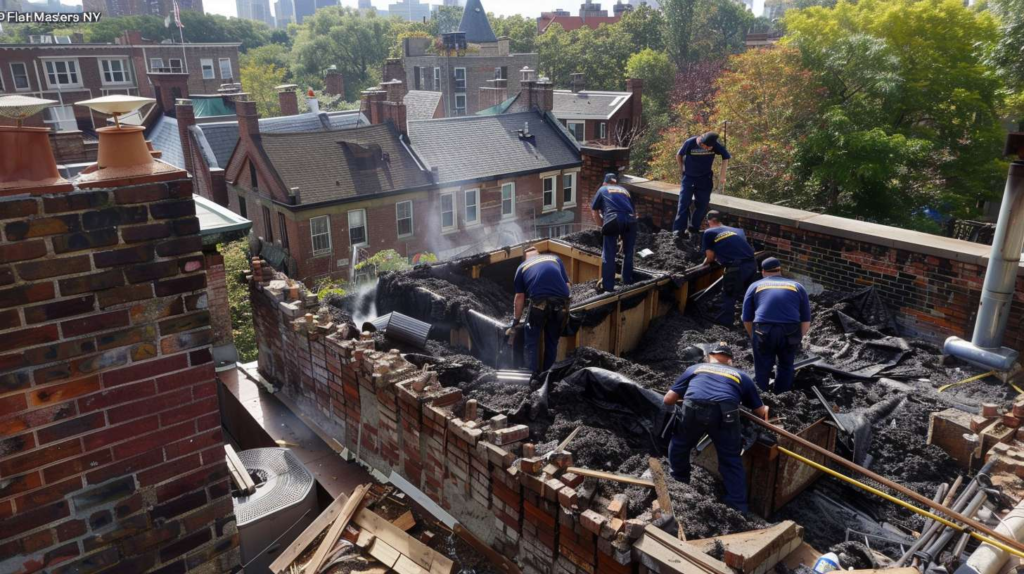
Here's the part people in Queens don't love hearing: not every draft is a roof leak, and not every loud skylight means a bad installation. Sometimes the roof is completely fine and the glass package is simply doing the bare minimum. I've seen homeowners spend money chasing the wrong fix for months before anyone looked at the glazing. And honestly, trying to save money by downgrading the glazing package is one of the most common false economies on a top-floor project - the kind of decision that costs more to undo two winters later than it would have to get right the first time.
| Myth | Fact |
|---|---|
| "If the room feels cold, the roof membrane must be failing." | Glazing and frame performance often explain more day-to-day heat loss than the membrane. |
| "Any extra pane automatically fixes noise." | Pane spacing, seals, frame quality, and curb detail all matter - one weak link kills the benefit. |
| "Triple glazing is only useful in winter." | It also buffers traffic, rain, and aircraft noise year-round - the performance is constant, not seasonal. |
| "Acrylic domes and modern glass roof lights perform about the same." | Old domes are usually far noisier, far less insulating, and not even in the same performance category. |
| "All flat roof lights triple glazed are interchangeable." | Size, frame build, slope requirement, and roof assembly all determine what actually fits your opening. |
Quick Facts for Queens Homeowners
Best Use Case
Top-floor kitchens, extensions, studios, and stairwells with existing flat roof openings
Main Benefit Pair
Better heat retention through cold months + noticeably quieter interior day and night
Common Replacement Target
Old acrylic domes and aging double-pane units that have outlived their useful life
Local Concern
Traffic on major avenues, bus routes, sirens, and winter wind exposure across Queens neighborhoods
Comparing the Triple Glazed Options You'll Actually See
Fixed units for quiet daylight
Last winter on a roof off Northern Boulevard, I watched a homeowner nod slowly when I explained that product category matters just as much as pane count. Queens roofs deal with things that suburban rooflines don't - elevated train lines, the particular crosswind pattern on low-rise attached homes, the noise layer that stacks up along any busy avenue, and top-floor temperature swings that swing hard between a drafty December and a baking August. I'm Rosa Mendez, and in 19 years of flat roofing I've specialized in exactly these top-floor comfort and noise complaints across Queens - which is why the first question I ask isn't "what brand do you want" but "what's the opening, what's the curb, and what's bothering you most at 7 in the morning."
Opening units when ventilation matters
If you told me your top floor feels cold but the heat is running, I'd ask this first: is the problem heat escaping through the glazing, noise coming through an inadequate frame, or humidity that's building up because the space can't breathe? Control: same top-floor room. Variable: whether you install a fixed triple glazed flat roof skylight, an opening venting roof window, or a larger flat roof light triple glazed for a wider daylight zone. Result: completely different performance outcomes depending on which problem you were actually solving. Getting that diagnosis right before you pick a unit is what separates a good project from an expensive redo.
Before you compare brands, compare the problem you are actually trying to solve.
| Option Type | Best For | Noise Control | Heat Retention | Typical Tradeoff | Good Fit in Queens? |
|---|---|---|---|---|---|
| Fixed Glass Roof Light | Stairwells, hallways, non-kitchen top floors needing daylight | High - no moving parts to degrade the seal | High | No ventilation - not ideal if moisture is a concern | Yes - strong performer |
| Electric Opening Flat Roof Window | Kitchens, master bedrooms, studios where heat and steam build up | Good when closed - seal quality matters | High when sealed | Motor adds mechanical complexity; needs occasional servicing | Yes - especially for top-floor kitchens |
| Manual Venting Unit | Rooms needing occasional airflow without automation | Good - solid frame, no wiring vulnerability | High when closed | Requires accessible shaft; awkward if opening is high | Situational - depends on layout |
| Walk-On Rooflight | Accessible roof terraces or decks requiring flush glazing underfoot | Moderate - structural demands limit some acoustic tuning | Good but less than fixed skylight | Requires structural assessment; higher cost; not always possible | Only if structurally designed for it |
| Replacement Upgrade from Acrylic Dome | Homes inheriting older domes that amplify noise and lose heat rapidly | Dramatic improvement over most domes | High - immediate noticeable difference | Curb size may need adjusting; existing shaft may need finishing work | Yes - one of the most impactful upgrades available |
How Noise Reduction and Heat Retention Show Up in Real Rooms
Let me be blunt for a second. I was on a rowhouse in Astoria at 7:10 in the morning - coffee still too hot to drink - while the owner kept insisting her new flat roof skylight was drafty. It was 28 degrees and blowing in off the avenue, and what she was actually feeling was cold air dropping off old single-pane side windows across the room. Control: same roof, same morning. Variable: which opening we were blaming. Result: she had the wrong diagnosis. We swapped in a triple glazed flat roof skylight later that season for the kitchen extension anyway, and the difference in street noise during rush hour was so obvious she called me just to say, "Now I can hear my own toaster." The glazing upgrade didn't fix the side windows - but it solved the noise problem she'd given up on completely.
Think of it like putting a lid on a pot instead of balancing a plate over it. A retired saxophone player in Forest Hills called me at 9:30 on a Thursday night - convinced his roof opening was acting like a speaker cone every time a bus hit the corner near his building. He wasn't wrong. The old unit had poor glazing and an even worse curb detail. After we installed one of the better triple glazed options for flat roof windows, he told me the room finally sounded "like blankets were hung over the city" - which is still one of the most accurate descriptions of acoustic glazing I've ever heard from a client. The insider tip here is worth writing down: when you talk to a contractor, ask for the glazing specs, the frame construction details, and the curb compatibility assessment all in one conversation. Anyone who wants to sell you the glass package without discussing the frame and curb integration isn't giving you the full picture.
| Pros | Cons |
|---|---|
| Better winter comfort - measurable difference in top-floor rooms that previously ran cold | Higher upfront cost than single or standard double-pane alternatives |
| Reduced outside noise - street traffic, sirens, and bus routes become noticeably quieter | Heavier unit - roof structure and curb need to handle the additional load |
| Less rain drumming compared to old acrylic domes - significantly calmer in heavy Queens downpours | Installation quality matters more - a poor curb or flashing detail undermines the glazing performance |
| Improved interior feel near the opening - no more cold radiation effect when sitting directly below | Not a cure-all if walls, side windows, or other openings elsewhere in the room are also poor |
| Strongest available upgrade for top-floor rooms - fixed or venting, it's the best glass category on the market for flat roof applications | Venting models add mechanical complexity - motors, sensors, and openers need periodic attention |
⚠ Don't Diagnose the Wrong Problem
Three misdiagnoses come up constantly on top-floor jobs - and chasing the wrong one costs real money:
- Cold-air drop from old vertical windows - that chill you feel near the roof opening is sometimes traveling across the ceiling from a drafty side window, not coming through the skylight at all.
- Condensation mistaken for leakage - moisture forming on the interior face of an under-performing unit looks a lot like a roof leak, but it's a glazing and humidity issue, not a membrane failure.
- Noise blamed on the roof system - outdated acrylic dome materials vibrate and amplify sound in a way that has nothing to do with how the surrounding roof was installed. The roof is fine. The dome is the problem.
Questions to Settle Before You Buy Anything
What to verify about the opening
What exactly are you hoping the new unit will fix? That's not a rhetorical question - it's the most important thing to nail down before you look at a single product spec sheet. A homeowner who wants quieter sleep needs something different from one who wants more daylight and airflow in a kitchen. One who's replacing an old dome has different curb constraints than someone cutting a new opening. Define whether the priority is warmth, quieter nights, rain sound reduction, better daylight, or ventilation - and write it down before the first conversation with a contractor. That list is what keeps you from being steered toward the wrong product.
What to ask about the glazing package
One August afternoon in Rego Park, I was checking a top-floor family room after a thunderstorm had rolled through. The homeowner thought the drumming during rain meant the unit was failing. The culprit was the old acrylic dome they'd inherited from a previous owner - not the roof itself. When I placed a sample of flat roof lights triple glazed next to that dome and tapped both with my knuckle - like a lab demo with a class of seventh graders - even the homeowner's teenager looked up from his phone. The sound difference was that obvious. That moment is why I tell every buyer: before you commit to a unit, ask your contractor to walk you through the glazing specification, the frame material and depth, and whether your existing curb can accommodate the new unit's weight and dimensions. Those three things together determine whether you get the result you're paying for.
Frequently Asked Questions