
Torch-On Roofing Is Still One of the Best Methods - If You Have the Right Kit
We're not here to sell you something - we're here to give you a real answer. Torch-on roofing isn't outdated - the failures people blame on the method almost always trace back to bad flat roof blow torch equipment, unstable pressure, or somebody treating skilled work like brute force. What changes at the seam isn't the method - it's the kit, the control, and the person holding the torch.
Torch-On Didn't Fail - Sloppy Heat Control Did
Nineteen years in, I still watch the flame before I watch the roll. Torch-on roofing works - and it works well - but only when the person on that roof treats it as a controlled reaction, not a heat-and-press operation. The real culprits behind bad torch-on jobs are a mismatched flat roof blow torch, an uneven flame pattern, a rushed pass, and a crew that thinks more fire means more bond. It doesn't. It means a scorched membrane and a seam that looks sealed from above but isn't.
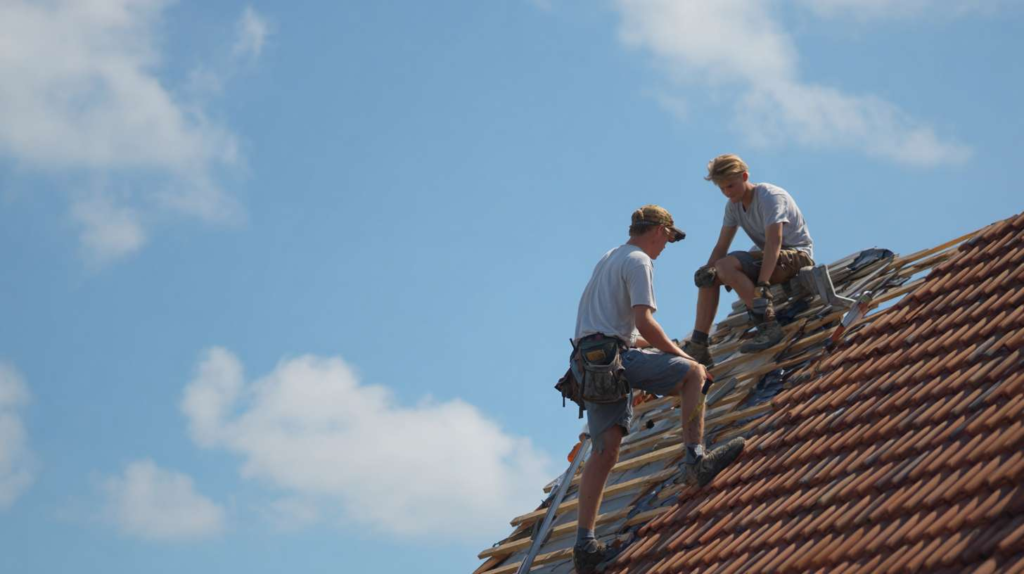
Here's the blunt part nobody likes hearing. A cheap or mismatched blow torch setup can make a perfectly good membrane perform badly, while the right kit with stable pressure produces a clean, consistent bond you can actually trust. That's not a sales pitch - that's just what happens at the seam when the tool isn't cooperating with the material.
| Myth | Real Answer |
|---|---|
| Torch-on roofing is outdated. | Torch-on modified bitumen remains one of the most durable flat-roof systems available. The method hasn't aged out - poor execution has given it a bad reputation it doesn't deserve. |
| Any blue flame means the torch is fine. | Flame color tells you combustion is happening - nothing more. Flame stability, spread pattern, and regulator-matched pressure are what actually determine whether heat transfers correctly to the membrane. |
| More heat means better adhesion. | Excess heat scorches the surface layer and destroys the bitumen's ability to bond cleanly. Adhesion comes from controlled, even heat transfer - not from cranking up the gas torch for flat roofing past the point of control. |
| All blow torch tools for flat roofing work the same. | They don't. Torch head design, regulator capacity, hose length, and tank setup all affect flame behavior. Mismatched components produce pulsing or uneven flame - and uneven flame produces uneven bonds. |
| If the seam looks sealed from above, the bond is good. | Surface appearance means almost nothing. A dry seam can look closed while holding almost no bond underneath. Consistent bleed-out at the lap edge and correct membrane texture are the actual indicators of a solid weld. |
⚠️ Don't Judge Torch Work by Flame Size
A large flame doesn't mean a better bond - it often means the opposite. Watch for three specific hazards: scorched membrane from concentrated heat when the torch head is held too close or moved too slowly; dry seams from weak heat transfer when the flame is too small or too far to properly activate the bitumen; and hidden adhesion failures caused by pulsing pressure, which occurs when the regulator and tank aren't matched - the flame surges and drops, leaving inconsistent bonds that won't show up until water finds them.
Which Pieces of the Kit Actually Change the Outcome
The torch head and flame pattern
If you were standing next to me right now, I'd ask one question first: what exactly are they heating that seam with? Because the kit is a system - torch head, regulator, hose, tank setup, striker, and operator control - and every piece of that chain affects what happens at the lap. I'm Rosa Mendez, and with 19 years in flat roofing and a specialty in correcting failed torch-on seams across Queens, I can tell you that most of the repairs I get called in for trace back to one weak link in that chain, not to any failure of the method itself.
Regulator pressure and hose stability
At 8 a.m. in Queens wind, fancy talk disappears and the tool either behaves or it doesn't. I learned that lesson sharp one morning on a church annex in Ridgewood, working a repair after a rough windy night. My new helper assumed that if the flame was blue, the setup was fine. The regulator was wrong for the tank, and the flame kept fluttering every time a gust hit. Before I even pointed it out, he looked down at the membrane and said, "Why does this seam look dry?" That was a good day - he saw it himself, and he understood what a mismatched flat roofing blow torch setup actually produces at the seam.
Stable pressure matters as much as the person holding the torch - and in Queens, that's not just theory. Open rooftops in Astoria and Jackson Heights catch wind that a rooftop in a more sheltered spot never sees. Surface temperatures on a south-facing Elmhurst roof in July can climb past what most crews account for when they set their regulator. Older buildings in Ridgewood and Woodside sometimes limit tank placement to awkward spots near parapets, which means longer hose runs and pressure behavior that shifts mid-job. A good flat roof torch setup accounts for all of that before the first seam is started.
| Equipment Piece | Job at the Seam | What Goes Wrong When It's Wrong | What a Pro Checks |
|---|---|---|---|
| Torch Head | Delivers and spreads heat across the membrane surface at the lap | Wrong head size creates hot spots or underpowered heat; seam bonds unevenly | Flame spread matches membrane width; no visible flutter or concentration at center |
| Regulator | Controls and stabilizes gas pressure from the tank to the torch | Mismatched regulator causes pulsing flame, dry seams, and unpredictable heat output | Regulator rating matches tank size; pressure holds steady under wind and temperature change |
| Hose | Carries gas from the tank to the torch without pressure drop or leak | Long or kinked hose drops pressure; worn hose is a fire hazard | No kinks, cracks, or worn fittings; length appropriate for tank placement |
| Propane Tank Setup | Supplies consistent fuel for the full job duration | Low tank in cold temps causes pressure drop; wrong tank size runs out mid-seam | Tank level verified before start; positioned upright and away from heated surfaces |
| Striker / Ignition Tool | Safely ignites the torch without open flame exposure | Using a lighter instead of a proper striker creates unnecessary ignition risk | Flint or piezo striker in working condition; no improvised ignition sources |
| Gloves / PPE | Protects the operator from heat reflection and burns during close work | Without proper gloves, operator instinctively pulls back from seam - producing a shorter, rushed pass | Heat-rated gloves that allow grip and feel; full sleeves and eye protection in place |
✅ Proper Gas Torch Setup
- Stable, consistent pressure throughout the job
- Even heat spread across the full seam width
- Predictable rhythm - operator stays in control
- Clean, consistent bleed-out at the lap edge
- Safe, confident handling with reduced scorch risk
❌ Mismatched or Bargain Setup
- Pulsing flame that surges and drops unpredictably
- Hot spots in some areas, cold spots in others
- Skipped bonding along the lap - looks closed, isn't
- Nervous-looking, inconsistent weld line
- Higher chance of scorch on one pass, dry seam on the next
Read the Seam Like Evidence, Not Like a Guess
A torch-on roof is a lot like a lab reaction - too cold, nothing bonds; too hot, you ruin the sample. The seam is your readout. A clean bond produces a consistent, even bleed-out at the lap edge - not a heavy smear, not a dry line, just a narrow, steady bead that tells you the bitumen activated evenly under the right amount of heat transfer. The texture of the surface just past the seam should look calm, not shiny or puckered. If you smell overcooked bitumen before you're halfway through the lap, something in the reaction ran too hot. A steady flame has a sound too - a low, even hiss with no surging - and when the membrane response looks relaxed and the weld sits flat without stress wrinkles, the controlled reaction did exactly what it was supposed to do.
Field Signs: Is the Flat Roofing Blow Torch Setup Behaving?
Signs It's Right
✅ Even bleed-out bead runs the full lap edge consistently
✅ Flame produces a steady, low hiss - no surging sound
✅ No sudden flare when torch angle shifts slightly
✅ Membrane lies flat and relaxed after the pass - no stress wrinkles
Signs Something's Off
❌ Dry lap line - no bleed-out, seam looks pressed but not bonded
❌ Flame surges and drops, sound changes mid-pass
❌ Overcooked sheen - surface looks glazed or blistered at the edge
❌ Brittle-looking membrane edge that crumbles under finger pressure
Tap to decode what you're seeing on the roof.
Astoria to Elmhurst: The Same Membrane Can Behave Two Different Ways
Heat-loaded summer roofs
On a roof in Astoria last fall, this came up in under five minutes. The customer on that two-family kept asking why we couldn't just torch it faster and be done with it. So I ran a short demonstration on scrap: one pass with a proper flat roof torch running stable pressure, one pass with a bargain setup that was pulsing because the regulator wasn't suited to the tank. Even standing back, you could see the difference. The first weld looked clean and confident. The second one looked nervous - that's the exact word I used, and he laughed, but he got it immediately. One controlled reaction, one unstable one. Same membrane, two very different outcomes.
Cold-season pressure problems
I remember one August afternoon in Elmhurst, around 3:30, the sun was hammering that black roof so hard the modified bitumen was already softer than usual before we even lit up. The homeowner had hired a cheap crew the week before, and they showed up with a sloppy old gas torch for flat roofing that had an uneven flame pattern. I peeled back one seam and could see exactly what happened - too much heat in one spot, not enough in the next, and the bleed-out looked like somebody tried to frost a cake while running. That sounds reasonable to rush on a hot day, but here's where it goes wrong: a heat-loaded surface actually needs less torch input, not more speed. The membrane is already activated - you're not fighting cold material. An uneven flame on that kind of surface doesn't just bond badly, it burns in patches while leaving gaps two inches away. Rosa Mendez has been calling this out across Queens for going on two decades, and it never stops being the same root problem. I always tell new crew: tap the ladder, listen to the rhythm, because bad roofing usually starts when somebody rushes the rhythm.
How a Skilled Roofer Adjusts Before the First Full Seam Is Welded
Inspect weather and roof surface temperature
Check wind direction and speed before setup. Touch the membrane surface - a heat-loaded roof in July requires less torch input. A cold morning in November means the membrane needs longer activation. Both conditions change how you run the pass.
Verify regulator and tank behavior before lighting
Check that the regulator is rated for the tank. Open the valve slowly and listen for any hiss at fittings. Cold tanks lose pressure - if it's below 40°F, expect to monitor output more closely through the job.
Test flame pattern on scrap membrane
Run the flat roofing blow torch across a scrap piece at working distance. Watch for even heat spread, no concentration in the center, and a steady flame sound with no surging. If it pulses, stop and find the cause before touching field membrane.
Watch membrane response at the lap edge on a starter section
Run a short starter seam and look at the bleed-out. Is it even and consistent? Is the membrane lying flat? Any dry spots or scorched patches tell you the setup or the pass speed needs adjustment before the full run.
Set working rhythm before committing to the full field run
Establish a consistent torch-to-roll rhythm - torch distance, pass speed, rolling pressure - and hold it. Speed and rhythm should be set before the first full seam, not adjusted reactively halfway through the roof.
Queens-Specific Conditions That Change Torch Behavior
Wind Exposure on Open Rooftops
Open rooftops in Astoria and along Northern Boulevard can catch crosswinds that destabilize an already marginal flame, making a mismatched regulator even more problematic.
Summer Roof Surface Heat
Black modified bitumen roofs in Elmhurst and Corona can hit surface temperatures that pre-soften the membrane, meaning even moderate torch input can overheat and bleed out past the intended lap width.
Cold-Morning Pressure Inconsistency
Propane tanks in sub-40°F temperatures - common in Queens from November through March - produce lower vapor pressure, which changes output and requires crew to monitor flame stability from the first pass.
Older Building Parapet and Access Constraints
Many pre-war buildings in Ridgewood and Woodside have low or irregular parapets that force awkward tank placement, leading to longer hose runs that drop pressure if the setup isn't sized for that distance.
Before You Approve Torch Work, Verify These Points
You don't need to become a roofer to ask better questions. Any contractor worth hiring will answer them without hesitation - and the answers will tell you quickly whether they actually understand the equipment they're using or whether they're working on autopilot. These aren't gotcha questions. They're basic ones that separate a controlled job from a rushed one.
If a contractor gets irritated by these equipment questions, that answer tells you plenty.
Before You Hire Anyone for Torch-On Work in Queens - Ask These
-
☑
Ask what torch and regulator setup they use - not just "a propane torch." The specific combination matters for flame stability. -
☑
Ask how they test flame stability before starting field work - a good crew runs a test pass on scrap before committing to the membrane. -
☑
Ask how they handle windy rooftop conditions - experienced crews have a protocol for wind exposure, not just "we work through it." -
☑
Ask whether they demonstrate seam quality on a starter area before running the full field - and whether you can see that starter section before they move on. -
☑
Confirm membrane compatibility - the torch setup should be matched to the specific modified bitumen being used, not a generic approach for any roll. -
☑
Confirm fire-safety procedure and PPE - proper gloves, fire extinguisher on the roof, no open fuel sources near work area. Non-negotiable. -
☑
Ask what they look for in bleed-out and bond consistency - if they can't describe it, they probably aren't checking it.
My honest opinion, after nearly two decades of this: the right question isn't "should we use torch-on or not?" Torch-on is a strong, proven flat-roof method. The real question is whether the crew has the right kit and the discipline to control the reaction from start to finish. Most of the jobs I've been called in to fix at Flat Masters weren't method failures - they were equipment failures and rushed heat control. Get that part right, and torch-on holds up as well as anything out there.
Questions We Hear Often About Torch-On Flat Roofing
If you want an honest look at whether a torch-on system is right for your roof - and whether the setup being proposed actually makes sense for your building - call Flat Masters. We'll give you a straight answer, not a sales pitch. Reach out today and let's take a look at what your roof actually needs.