
How Much Area Does Your Flat Roof Cover? Here's How to Measure It Accurately
Surface problem versus root cause - that's the real split when someone asks how big their flat roof is, because a flat roof is almost never one clean rectangle, and the only accurate answer starts with dividing the surface into simple, measurable sections before you touch a calculator. This guide walks you through the exact process of using a flat roof area calculator without feeding it bad dimensions and making your estimate problem worse before it gets better.
Break the Roof Into Sections Before You Touch a Calculator
Surface problem versus root cause means you have to look at what the roof says versus what the tape measure says - and those two things disagree more often than not. A flat roof almost never sits on top of a building as one clean rectangle. The correct first move is to divide it into individual rectangles and small measurable pieces before you do any math at all. That's not extra work - that's the only work that gets you a number you can actually use for material orders, contractor quotes, or a replacement estimate.
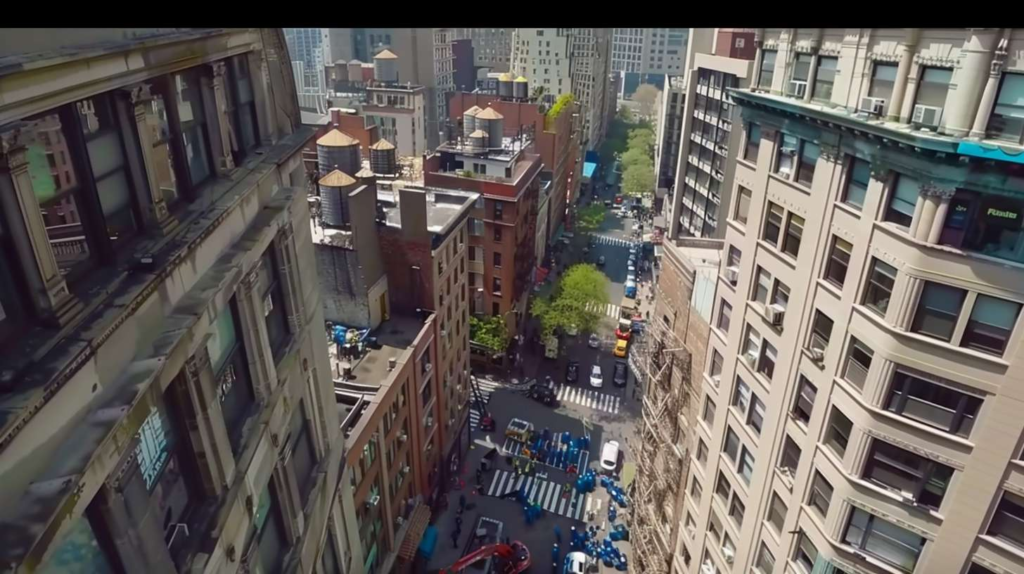
Seven feet looks innocent until you multiply it across the whole roof. A rear extension that runs 7 feet deeper than the main roof section and stretches 30 feet wide adds 210 square feet you'd otherwise miss entirely. Honestly, in my experience, guessing from the house footprint is the fastest way to undercount a roof and create your own estimate problem - you're measuring the idea of the building, not the actual roof surface sitting above it.
How to Calculate Flat Roof Square Footage - In the Right Order
-
1
Sketch the roof outline from above
Draw a simple bird's-eye view - doesn't need to be to scale. You just need a reference to work from so nothing gets missed.
-
2
Split the roof into labeled rectangles or squares
Mark each piece with a letter - A, B, C, and so on. Count rear extensions, parapet offsets, bulkhead footprints, and over-garage sections as separate pieces. If it changes the roof's shape or depth, it gets its own label.
-
3
Measure length and width of each section in feet
Use a tape measure on the roof itself - not a ruler on a drawing, not a number from your head. Measure each labeled section separately.
-
4
Calculate each section's area
Multiply length × width for each labeled piece. Write it down next to the section label so there's no confusion when you total up.
-
5
Add all sections for the total roof square footage
Sum every section area. That number is what goes into a flat roof calculator or gets handed to a contractor - not a guess, not a listing number.
⚠ Why the Building Footprint Gives You the Wrong Roof Area
Don't use listing data, tax records, or your memory of interior room sizes to estimate roof area. None of those numbers describe the actual roof surface.
Common miss points:
- Parapet walls that create measurable offset strips along the perimeter
- Overhang differences that change where the roof actually starts and ends
- Attached garages with their own separate roof section
- Mixed roof depths on Queens rowhouses - especially in neighborhoods like Ridgewood and Astoria, where additions and bump-outs are the norm, not the exception
Map the Shapes You Actually Have on a Queens Flat Roof
Here's the part people get wrong. Most Queens flat roofs look simple from the sidewalk - a clean horizontal line, maybe a parapet cap, done. But once you're standing on top of one, especially on the chopped-up rowhouses in Astoria, Sunnyside, or Ridgewood, you're looking at two, three, sometimes four distinct sections. I'm Marco Sisti, and with 17 years in flat roofing and a habit of catching square-footage misses on exactly these kinds of Queens rooflines, I can tell you that what the roof says versus what the tape measure says is almost always a different conversation up there. Attached garages sitting six inches lower, rear additions that run back toward the yard, bulkheads sticking up out of the field - these are not rare. They're standard on Queens residential stock.
I had a Sunnyside owner do this with sidewalk chalk once. It was a November afternoon, wind was slapping a loose corner of old modified bitumen while I was running the tape, and she had a flat roof area calculator open on her phone. She kept getting a number that was too low - and it was too low because she hadn't accounted for the parapet offsets or the over-garage section at the rear. We walked it together and labeled each piece with chalk right on the roof membrane: Section A, Section B, Section C. Once she could see the roof as three separate rectangles instead of one blurry shape, the math clicked instantly.
Rectangles first, weird pieces second
If an area is close to a rectangle, measure the clean rectangle first and note anything extra as a separate line. Don't try to invent one enormous irregular dimension that covers everything - that's how you end up with a number that's technically "close" but still off by 80 square feet. Measure what's clean, flag what's odd, and handle them one at a time.
If your roof number came together in your head faster than this table takes to scan, it's probably wrong.
| Section Label | Length (ft) | Width (ft) | Formula | Area (sq ft) |
|---|---|---|---|---|
| A - Main roof | 32 | 22 | 32 × 22 | 704 |
| B - Rear extension | 14 | 18 | 14 × 18 | 252 |
| C - Over-garage section | 20 | 10 | 20 × 10 | 200 |
| D - Bulkhead-adjacent strip | 12 | 4 | 12 × 4 | 48 |
| E - Small offset section | 8 | 6 | 8 × 6 | 48 |
| Total Roof Area | 1,252 sq ft | |||
Count This as Its Own Piece If…
Test Your Number Before You Order Material or Request an Estimate
What am I going to ask you first when I show up? Whether your total came from actual field measurements or from plans, listings, or memory. That question matters more than almost anything else, and here's why. I got called to a mixed-use building on Kissena Boulevard in Flushing just after a light rain - it was around 5:30 p.m., my boots were wet inside of ten minutes - and the owner had a drainage problem we needed to sort out. We did. But the bigger issue was that a previous contractor had ordered material based on old architectural plans, not field measurements. Standing there marking out the actual sections on the membrane, I showed the owner exactly where what the roof says versus what the tape measure says had broken apart: the plans didn't reflect a rear section that had been added years before, and that gap in the numbers turned a manageable material estimate into an expensive reorder. My insider tip: if one section feels suspiciously small when you're adding things up, go back and remeasure the longest run along that side - and don't skip any strip that runs behind a parapet line or drops at a step-down. Those are the spots that disappear from memory first.
Before You Call for a Flat Roof Quote in Queens - Verify These First
-
✓
Total square footage calculated from section-by-section measurements - not from a listing or floor plan -
✓
Total number of roof sections identified and labeled - A, B, C, etc., with individual dimensions written down -
✓
Garage roof confirmed as included or excluded - know which and why before the call -
✓
Bulkhead, hatch, or mechanical chase noted - confirm whether it changes the roof's layout and whether adjacent strips were measured -
✓
Dimensions confirmed from rooftop measuring, not old plans - if the last contractor used plans and you're not sure they were accurate, remeasure -
✓
Photos of each section taken from above if possible - even phone photos from ground level help clarify shape when you're talking to a contractor
Can You Trust Your Flat Roof Area Number Yet?
→ No: Stop here. Go back to Step 2 in the process above. A single dimension for the whole roof isn't enough.
→ Yes: Continue ↓
→ No: Use the number for a rough ballpark only. Don't order material or finalize a quote against it.
→ Yes: Continue ↓
→ Yes: Remeasure those sections before pricing materials or requesting a quote.
→ No: Continue ↓
Your field measurements are section-by-section, taken on the roof, and account for all pieces. This number is solid enough for a calculator check, a preliminary quote, or a material estimate.
One or more sections came from a plan, a listing, or memory. Remeasure on the roof before using the number for material pricing or a contractor estimate.
Use a Flat Roof Area Calculator the Right Way
Blunt truth: your property listing is not a roof measurement. A flat roof calculator is a useful tool - but only after you've done the section work first. I remember a sticky July morning in Astoria, around 7:10 a.m., when a homeowner insisted his flat roof was "about 500 square feet, tops." He wasn't being difficult. He was doing the math in his head from the house footprint, the way most people do. I measured it in sections - main field, rear extension, bulkhead shadow line - and it came out closer to 742 square feet. That's not a rounding error. That's a significant materials gap that would've shown up the hard way on delivery day.
Numbers in, assumptions out
A flat roof works like a cut-up lasagna tray - easy if you count the pieces, messy if you guess the pan. The right input sequence is: collect every section's individual measurement first, do the multiplication by hand for each one, then either enter sections separately into a flat roof area calculator or total them manually and use the calculator as a final check. The calculator isn't designed to figure out your offsets or guess your garage section. It multiplies what you give it. Give it garbage dimensions and it'll hand you a garbage total - fast, cleanly, and with no indication that anything went wrong.
| Myth | Fact |
|---|---|
| "The house square footage tells me the roof size." | The building footprint doesn't account for parapet offsets, rear extensions, attached garages, or any section that sits outside the main structure. They're two different measurements. |
| "One outside dimension is enough to calculate the area." | One dimension gives you a line, not an area. You need both length and width for every section - and you need them for each section, not just the biggest one. |
| "The calculator figures out offsets and add-ons for me." | A flat roof calculator multiplies what you put in. It has no way of knowing about a garage section you forgot or a parapet strip you skipped. You bring the sections - it does the arithmetic. |
| "Old plans are close enough for a material estimate." | Plans don't show modifications, additions, or field conditions. A building that's been altered since the drawings were done - which describes most Queens properties over 20 years old - will have a different actual roof than what's on paper. |
| "Bulkheads and garage sections don't matter much." | A 20 × 10 garage roof is 200 square feet. A 12 × 4 bulkhead strip is 48. Combined, that's close to 250 square feet you'd be missing - enough to throw off a complete material order. |
Flat Roof Area Questions from Queens Property Owners
Ready to Get an Accurate Measurement?
If you're in Queens and you'd rather have the roof measured section by section by someone who does this every day - before pricing, repairs, or a full replacement estimate - call Flat Masters. We'll walk every section, label it, tape it, and give you a number you can actually build a project around.