
Rubber Roof Tiles on a Flat Roof - Here's What They Offer and If They're Worth It

Rubber Roof Tiles on a Flat Roof – Here’s What They Offer and If They’re Worth It

Rubber Roof Tiles on a Flat Roof - Here's What They Offer and If They're Worth It

A lot of repair invoices describe work done without describing what was found. That gap is exactly where rubber roof tiles for flat roofs get oversold - people read "rubber roofing" and picture a waterproof system, when most of the time they're looking at a surface layer that sits on top of a membrane assembly that's doing the actual weather work. That misunderstanding alone changes whether the tiles are worth a single dollar.

What These Tiles Actually Do on a Flat Roof

Seventeen years in, the first thing I check is still the drain line, not the sales brochure. Marisol Vega, with 17 years in flat roofing and a specialty in diagnosing drainage and membrane failures on Queens low-slope roofs, will tell you that judging rubber flat roof tiles without first judging the assembly underneath is like grading a lab result before you've read the setup. The tile layer handles foot comfort, surface wear, and some UV shielding. The membrane handles water. Confuse those two jobs and you'll spend money solving the wrong problem.
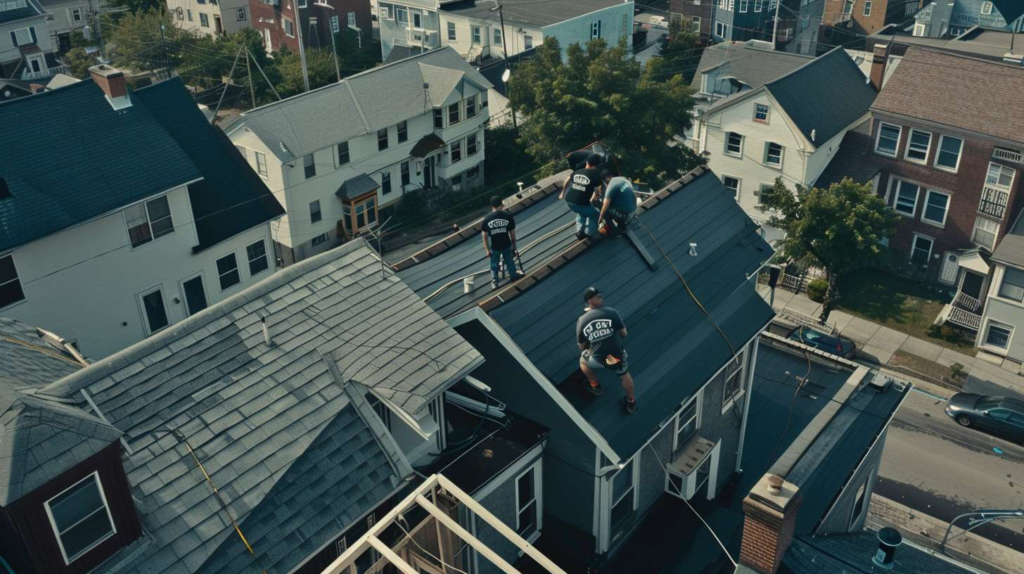
Professional rubber roof tile installation on a flat roof showing durable, weather-resistant tiles being laid by a technician.

Myth vs. Fact: Rubber Roof Tiles on a Flat Roof
Myth Fact
Rubber roof tiles are the roof. They're usually a covering over a membrane or deck assembly. The tile layer protects the surface - it doesn't replace the waterproofing system below.
If tiles look good, the roof below is fine. Hidden ponding, clogged drains, and soft decking can sit quietly underneath tiles that look brand new from the door. Appearances settle nothing here.
Rubber means leak-proof. Leak resistance depends on seams, flashing, slope, and drainage - none of which are handled by a tile layer sitting on top of a deck.
Tiles automatically make the roof cooler. Heat performance varies by tile color, thickness, airflow under the tile, and what's below. Dark tiles on a poorly ventilated Queens rooftop can hold heat just fine.
Once installed, they're maintenance-free. Drains, edges, debris trapped under pedestals, and tile movement at transitions all still need inspection - at minimum once a year on a Queens building.

Quick Facts: Know This Before Comparing Options
Primary Job
Walking surface and surface protection

Waterproofing Job
Handled by the membrane assembly below - not by the tile

Main Risk
Hidden drainage trouble the tile layer can quietly conceal

Best Fit
Roofs used for access, seating, or regular service foot traffic

Where They Earn Their Keep in Queens

Foot traffic, rooftop use, and membrane protection

If you were standing with me in Queens, I'd ask you one thing first: are you buying protection, appearance, or waterproofing? That question sounds simple, but it cuts through most of the confusion fast. Co-op roofs in Forest Hills, rear extensions on attached houses in Ridgewood, small multifamily buildings in Jackson Heights where the super crosses the roof twice a week to get to the HVAC unit - those roofs have real foot traffic, and rubber flat roof tiles can genuinely extend the life of a membrane by keeping boots off it directly. The dense block patterns in Astoria also mean more shade variation, different wind exposure on corner buildings, and rooftop equipment that changes where wear actually lands. A tile layout that works on a wide-open roof in one neighborhood needs a second look on a shaded, equipment-crowded one in another.

One July afternoon in Astoria, heat bouncing off every surface, I met a landlord who wanted rubber flat roof tiles because he thought they would automatically cool the building and stop leaks at the same time. By two in the afternoon we were both sweating through our shirts while I explained that surface comfort, foot traffic protection, and waterproofing are three separate jobs - not one magical product. He appreciated the honesty, mostly because I said it before he spent money in the wrong direction. And honestly, I like rubber tiles a lot when they're chosen for the right job. When the membrane underneath is healthy, drainage is working, and the roof is actually being used, they're a smart layer. What I don't like is seeing them used as a bandage on a roof with unresolved leak conditions, because all they do in that case is delay a more expensive conversation.

When Rubber Roof Tiles Make Sense - and When They Don't
Queens Roof Scenario Good Candidate? Why
Roof over occupied space with solid, inspected membrane and frequent maintenance foot traffic Strong Fit Tiles protect the membrane from boot wear and tool drag without adding risk - exactly the job they're built for.
Rooftop seating area over a properly sloped waterproofing system with clean drainage Strong Fit Comfort underfoot, cleaner surface, and UV protection for the membrane layer below all add real value when the base is sound.
Aging roof with active leaks and unknown deck condition Poor Fit Tiles on a compromised assembly hide the damage and delay the fix. The leak doesn't stop - it just gets harder to trace.
Roof with recurring ponding water near drains or low spots Conditional Fit Drainage must be resolved first. Tiles installed over a chronic ponding problem trap standing water and accelerate deck deterioration.

What Rubber Flat Roof Tiles Can Realistically Add

Traction underfoot
Textured rubber surface reduces slip risk on a wet rooftop.

Surface cushioning
Absorbs impact from foot traffic and dropped equipment, sparing the membrane below.

UV shielding for some assemblies
Can extend membrane life by reducing direct sun exposure - depends on tile layout and coverage.

Cleaner rooftop use
Creates a defined, usable surface for seating, equipment staging, or regular service routes.

⚠️

Hidden debris risk
Grit, leaves, and standing water accumulate under tiles and pedestals between inspections.

⚠️

False sense of leak security
A dry-looking tile surface doesn't mean the membrane or deck below is performing. Don't skip the inspection.

Hidden Failure Patterns People Miss Until the Ceiling Stains

At 7:15 on that Forest Hills job, the tiles looked better than the roof under them. The owner stood next to me pointing at the rubber surface and calling it "maintenance-free forever," and honestly, the tiles themselves weren't wrong - they were holding up fine. What wasn't holding up was everything below them. I lifted three edge pieces near the scupper and found trapped grit that had turned into a small dam, blocked drainage that hadn't moved water in what looked like two or three seasons, and soft decking that gave slightly underfoot near the parapet. The tile layer had done its surface job. The assembly underneath had quietly lost the argument. That's the part no inspection-from-the-doorway catches. The most revealing places to lift and check are near drains, scuppers, perimeter edges, and any low spot where the tiles feel even slightly different underfoot - spongier, looser, or oddly warmer. Those small sensory cues are the roof telling you something.

⚠️ Warning: A Good-Looking Tile Surface Can Hide an Expensive Problem Below

Don't assume these signs are cosmetic-only:

  • Tiles that have shifted or no longer sit flush
  • Trapped grit or debris lines visible at tile edges
  • Edge curl or lift near the parapet
  • A recurring damp smell near a rooftop door or parapet wall
  • Unexplained ceiling stains in the unit or hallway below

Hidden moisture travels. The ceiling stain in the back bedroom may have nothing to do with where the water entered - it followed the deck slope, the joist line, or the drain path. Don't assume the problem is directly above the damage.

Lift, Look, and Test These 5 Points
1
Drain and scupper paths
Blocked drains are the single most common cause of hidden ponding under a tile layer. If a drain is partially obstructed and the tiles are sitting over it, water backs up, sits against the membrane, and works at seams and flashings. Lift tiles within two feet of every drain and scupper and check for debris, standing water rings, or surface staining that indicates chronic saturation.
2
Membrane seams and flashing below or adjacent to the tile field
The waterproof layer lives at seams, flashings, and transitions - not in the middle of the flat field. Tiles laid up to but not over those critical zones can shift and expose them. Check flashing at the parapet base, pipe penetrations, and any transition where the tile field meets a curb or wall. Separation there is where leaks start.
3
Soft or spongy deck feel
Walk the tile field slowly. Any spot that feels softer, springier, or less solid than the surrounding area is a flag. Deck softening means moisture has already worked into the substrate - insulation, wood, or concrete depending on the building type. On Queens rear extensions, wood-framed decks are common and they telegraph saturation quickly if you know what to feel for.
4
Tile movement at perimeter and transitions
Tiles that rock, shift laterally, or have lifted edges at the perimeter aren't just a trip hazard - they signal that water and debris are getting underneath. Perimeter movement is often wind-driven on exposed Queens rooftops, especially corner buildings. Any tile that doesn't sit flat deserves a look at what's directly below it.
5
Debris buildup under pedestals or at edges
Pedestal-mounted tile systems create natural collection points for grit, organic debris, and sediment. Over time that material holds moisture against the membrane surface even when the drain is clear. Edge accumulation is worse on roofs near trees - and a surprising number of Queens attached-house roofs back up to mature tree canopies from neighboring yards. Clearing debris from under pedestals isn't optional, it's part of the system.

How to Decide if They Are Worth the Money for Your Building

A practical yes-or-no test before you buy

Here's the blunt version: a nice walking surface can hide a bad drainage plan. That sounds right until you test it - put an inch of rain on a roof where the drain is running at half capacity and the tiles are sitting over a slow low spot, and the tile's appearance has nothing to say about what's happening underneath. Value here depends on three variables only: the condition of the waterproofing membrane below, the actual use pattern of the roof, and whether drainage is already doing its job cleanly. If all three check out, rubber roof tiles for flat roofs are a genuinely useful layer. If one of those three is broken, tiles don't fix it - they cover it.

Let's separate the experiment from the advertisement. The advertisement says "durable rubber tiles, easy install, better roof." The experiment asks what the membrane is, how old it is, whether water moves off the deck after a storm, and whether anyone uses this roof for anything beyond emergency access. On many Queens buildings, the smartest first dollar goes to membrane repair, slope correction at a chronic low spot, or drain cleanup on a scupper that hasn't been cleared since the previous tenant. After that, if the roof is actively used, tile coverage makes good sense. Don't reverse the order.

Before you price the tile, ask whether the layer below has already passed the water test.

Should You Install Rubber Roof Tiles on This Flat Roof?

START: Do you already have a sound, inspected waterproof membrane?

NO → Repair or replace waterproofing first. Tiles over a failing membrane accelerate hidden damage and will cost you more to undo.
YES → Continue to next question.

Is the roof used for foot traffic, seating, or service access more than occasionally?

NO → Tiles may be optional, not necessary. A sound membrane alone handles weather on a rarely-accessed roof.
YES → Continue to next question.

Does water drain cleanly with no chronic ponding near drains or scuppers?

NO → Fix drainage before adding tiles. Adding a surface layer over a ponding problem traps water and speeds up deck damage.
YES → Continue to final question.

Are you adding tiles for comfort and membrane protection - not as a leak fix?

YES → Rubber tiles are likely worth considering. You've got the right base, the right use case, and the right expectation.
NO → Choose the product that matches the real job. A tile isn't a membrane repair - don't ask it to be one.

Before You Call About Rubber Roof Tiles - Answer These First
  1. Age of existing membrane: Anything over 15 years needs evaluation before any surface layer goes on top of it.
  2. Known leak history: Note where ceiling stains or interior moisture have appeared, and when they showed up relative to rain events.
  3. Whether the roof ponds after rain: Even shallow standing water that clears in 48 hours is a flag worth mentioning.
  4. Intended roof use: Access only? Regular seating area? HVAC maintenance route? The use pattern changes what surface you actually need.
  5. Whether drains and scuppers are accessible: Know where they are and whether they've been cleared in the last 12 months.
  6. Whether any existing tiles or pavers shift or rock underfoot: Existing movement is a symptom, not just a nuisance - worth flagging before a new layer goes down.

Questions Owners Usually Ask After the Sales Pitch

A flat roof is a little like a classroom lab table - if you cover the mess without understanding it, the reaction is still happening underneath. I had a call after a windy March night in Ridgewood from a building owner whose rooftop seating area looked perfectly fine from the door. Walked ten feet in and it was a different story: rubber flat roof tiles had shifted just enough to hide ponding water near a low spot by the back parapet, and the leak was appearing two apartments below - nowhere near the visible puddle. I ended up using a broom handle like a pointer to map water travel across the deck because arguing with what "looked dry" wasn't going to get us anywhere. Water on a flat roof doesn't stay where you expect it. It follows slope, seams, and deck transitions, and it shows up somewhere that makes no intuitive sense from the surface. Visible dryness up top doesn't close the question.

Common Questions: Rubber Roof Tiles for Flat Roofs in Queens
Are rubber roof tiles waterproof by themselves?
No. The tile itself is rubber and sheds water from its surface, but it's not a sealed waterproofing layer. Water gets between tiles, under them, and through gaps - especially at edges and transitions. Waterproofing comes from the membrane system below. That's a different product doing a different job.
Can they stop an existing leak?
They can't. Tiles are a surface layer - they don't bond, seal, or bridge membrane failures, open seams, or compromised flashing. Installing tiles over an active leak delays the repair and often makes the diagnosis harder when the ceiling finally gives out.
Do they make a flat roof cooler?
Sometimes, and it's not automatic. Light-colored tiles with airflow underneath can reduce surface temperature meaningfully. Dark tiles on a tight-fit installation with no air gap can hold heat. The color, the tile profile, and what's directly below all matter. Don't buy tiles for cooling and skip the conversation about how they're actually installed.
Will they damage the membrane underneath?
Not directly - rubber is compatible with most membrane materials. The risk is indirect: trapped moisture and debris underneath tiles that aren't inspected regularly accelerates membrane degradation. Tiles that shift and rub at edges can also wear flashing over time. Proper installation and annual inspection keep those risks off the table.
How often should they be lifted or checked on a Queens building?
At least once a year, and after any significant weather event - major wind, heavy prolonged rain, or a winter with serious freeze-thaw cycles. On roofs over occupied space or with active equipment, twice a year is smarter. The spots to check first: tiles near drains, at perimeter edges, and around any penetration where flashing meets the tile field.

If you're looking at rubber flat roof tiles for a Queens building and want a straight answer before spending anything, call Flat Masters for a flat-roof inspection - we check the membrane condition, drainage performance, and your actual rooftop-use goals before recommending a single product. That's the order it should go in, and we'll tell you honestly what we find.

Faq’s

Flat Roofing FAQs: Everything Queens, NY Homeowners Need to Know

How much do rubber roof tiles really cost for flat roofs?
Budget $8-14 per square foot for residential installation in Queens, including removal and basic upgrades. That 800 sq ft roof runs $6,400-$11,200. Commercial projects cost less per square foot but may have complexity factors. Hidden issues like deck repairs can add unexpected costs.
Professional installation is crucial for warranty coverage and code compliance. Substrate preparation and proper seam sealing require specialized knowledge and tools. DIY mistakes often cost more to fix than hiring professionals initially. NYC requires permits and inspections for most roof work.
Look for ponding water, visible cracks, interior leaks, or membrane brittleness. Roofs over 20 years old typically need evaluation. Our 18 years of Queens experience helps identify issues before they become expensive problems. Free assessments determine if repair or replacement is needed.
Most residential installations take 2-4 days depending on size and complexity. Weather delays are common in New York, but we communicate schedule changes immediately. Commercial projects may take longer due to HVAC systems and building operations that need coordination.
Small issues become expensive emergencies. Water damage affects interior systems, insulation, and structural elements. Winter delays mean potential ice damage and limited repair options. Spring scheduling books up quickly, so planning ahead saves money and stress.

Ask Question

Or

Deck Mounted Skylight Installation on Flat Roofs - NYC Specialists

8 min read

Flat Roof Windows Bring in Light Without Sacrificing Structure - Here's What's Available

18 min read

Velux Flat Roof Windows Let in Serious Light - Here's Everything You Need to Know

16 min read

Opening Flat Roof Windows in NYC - Let the Air In, Keep the Rain Out

9 min read

Residential Flat Roof Materials - Installed by NYC Specialists

6 min read

Waterproofing a Concrete Flat Roof Slab Is Not the Same as Waterproofing a Deck

17 min read

Adding a Skylight to a Flat Roof? Here's What It Will Actually Cost You

13 min read

What's the Best Roofing for Flat Roof Systems in Your Area?

7 min read

Flat Roof Maintenance Tips from NYC's Most Trusted Roofers

7 min read

What Does a New Flat Roof Cost? Here's Every Number You Need to Know

14 min read

Building a House with a Flat Roof - What You Need to Plan For

6 min read

Expert Fibreglass Flat Roof Problems Solutions & Repairs

6 min read

Getting a Flat Roofing Quote? Here's What Should Be on It and What Shouldn't

14 min read

Flat Roof Installation for NYC Properties - Built to Last

7 min read

Flat Top Roof Replacement in NYC - Quality Build, Fair Price

7 min read

What's the Average Asphalt Flat Roof Cost for Your Home?

8 min read

All the Flat Roofing Materials Compared - What Each One Actually Delivers

12 min read

How to Prevent Snow Buildup on Flat Roof: Expert Tips & Solutions

7 min read

Professional Flat Roof Damage Detection Services Near You

6 min read

Interior Drain on Your Flat Roof Leaking? Here's Where the Problem Usually Is

13 min read

Flat Roof Framing Done Right - Talk to Our NYC Specialists

6 min read

Professional Flat Roof Slope Detail Services for Your Property

6 min read

How Do You Know When a Flat Roof Actually Needs Replacing and Not Just Repairing?

17 min read

The Fascia on a Flat Roof Does More Than Look Neat - Here's What to Choose

19 min read

What's the Average Flat Roof Recoating Cost for Your Home?

5 min read
Rubber Flat Roof near Addisleigh Park, Queens Rubber Flat Roof near Arverne, Queens Rubber Flat Roof near Astoria, Queens Rubber Flat Roof near Auburndale, Queens Rubber Flat Roof near Bay Terrace, Queens Rubber Flat Roof near Bayside, Queens Rubber Flat Roof near Bayswater, Queens Rubber Flat Roof near Beechhurst, Queens Rubber Flat Roof near Belle Harbor, Queens Rubber Flat Roof near Bellerose, Queens Rubber Flat Roof near Breezy Point, Queens Rubber Flat Roof near Briarwood, Queens Rubber Flat Roof near Broad Channel, Queens Rubber Flat Roof near Broadway-Flushing, Queens Rubber Flat Roof near Cambria Heights, Queens Rubber Flat Roof near Chinatown, Queens Rubber Flat Roof near College Point, Queens Rubber Flat Roof near Corona, Queens Rubber Flat Roof near Douglaston, Queens Rubber Flat Roof near East Elmhurst, Queens Rubber Flat Roof near Edgemere, Queens Rubber Flat Roof near Elmhurst, Queens Rubber Flat Roof near Far Rockaway, Queens Rubber Flat Roof near Floral Park, Queens Rubber Flat Roof near Flushing, Queens Rubber Flat Roof near Forest Hills, Queens Rubber Flat Roof near Fresh Meadows, Queens Rubber Flat Roof near Fresh Pond, Queens Rubber Flat Roof near Glen Oaks, Queens Rubber Flat Roof near Glendale, Queens Rubber Flat Roof near Hammels, Queens Rubber Flat Roof near Hillside, Queens Rubber Flat Roof near Hollis, Queens Rubber Flat Roof near Holliswood, Queens Rubber Flat Roof near Howard Beach, Queens Rubber Flat Roof near Jackson Heights, Queens Rubber Flat Roof near Jamaica Estates, Queens Rubber Flat Roof near Jamaica Hills, Queens Rubber Flat Roof near Jamaica, Queens Rubber Flat Roof near Kew Gardens Hills, Queens Rubber Flat Roof near Kew Gardens, Queens Rubber Flat Roof near Koreatown, Queens Rubber Flat Roof near Laurelton, Queens Rubber Flat Roof near Locust Manor, Queens Rubber Flat Roof near Long Island City, Queens Rubber Flat Roof near Maspeth, Queens Rubber Flat Roof near Meadowmere, Queens Rubber Flat Roof near Middle Village, Queens Rubber Flat Roof near Neponsit, Queens Rubber Flat Roof near Ozone Park, Queens Rubber Flat Roof near Pomonok, Queens Rubber Flat Roof near Queens Village, Queens Rubber Flat Roof near Queensboro Hill, Queens Rubber Flat Roof near Rego Park, Queens Rubber Flat Roof near Richmond Hill, Queens Rubber Flat Roof near Ridgewood, Queens Rubber Flat Roof near Rockaway Beach, Queens Rubber Flat Roof near Rockaway Park, Queens Rubber Flat Roof near Rockaway, Queens Rubber Flat Roof near Rosedale, Queens Rubber Flat Roof near Roxbury, Queens Rubber Flat Roof near Seaside, Queens Rubber Flat Roof near South Jamaica, Queens Rubber Flat Roof near South Ozone Park, Queens Rubber Flat Roof near Springfield Gardens, Queens Rubber Flat Roof near St. Albans, Queens Rubber Flat Roof near Sunnyside Gardens, Queens Rubber Flat Roof near Sunnyside, Queens Rubber Flat Roof near The Hole, Queens Rubber Flat Roof near Whitestone, Queens Rubber Flat Roof near Willets Point, Queens Rubber Flat Roof near Woodhaven, Queens Rubber Flat Roof near Woodside, Queens Rubber Flat Roof near Wyckoff Heights, Queens
blue circle

Get a FREE Roofing Quote Today!

Schedule Free Inspection